
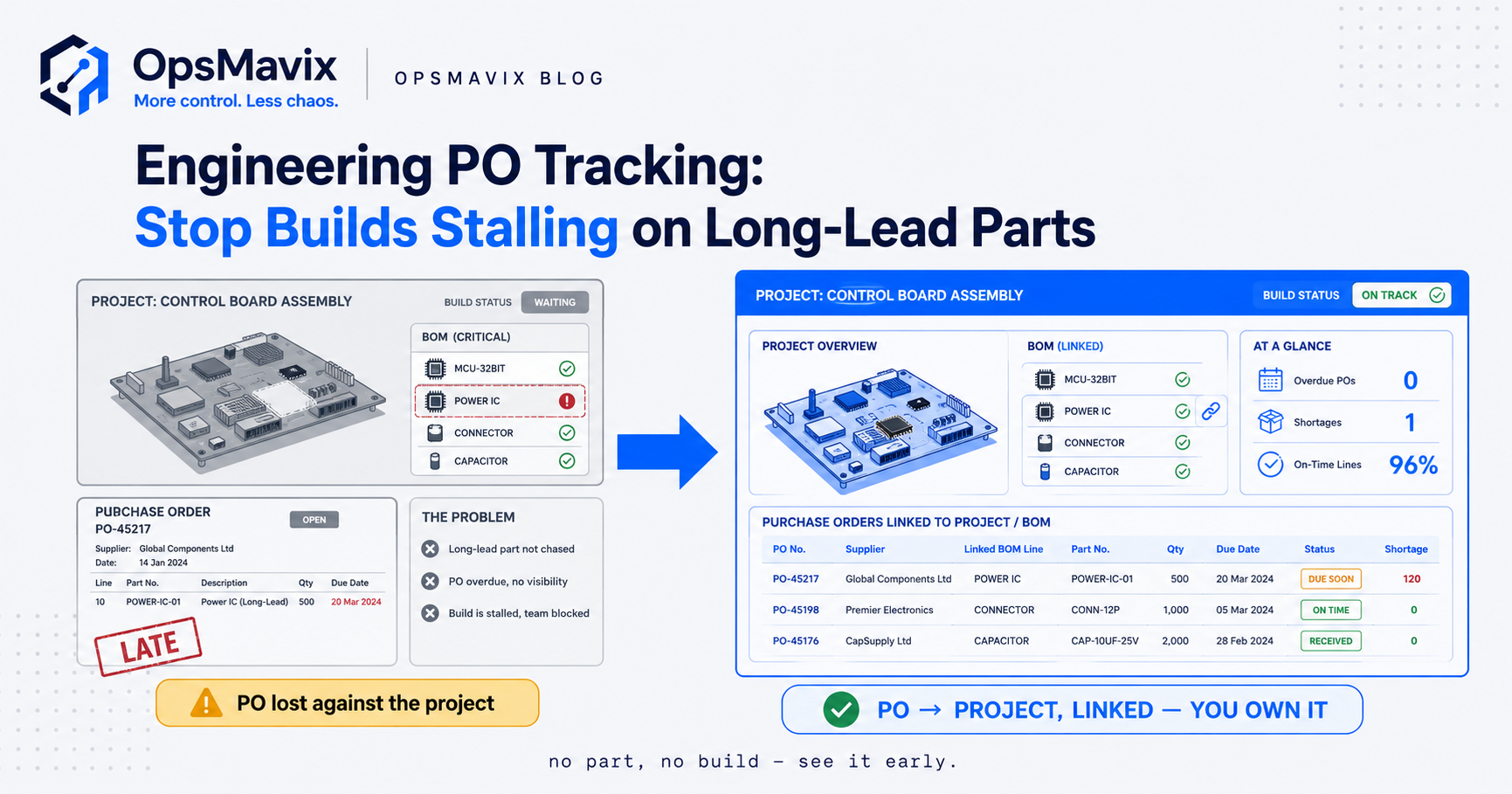
Engineering PO Tracking System: Long-Lead Items That Stall a Build
For engineer-to-order firms, a purchase order isn't a stock top-up — it's a long-lead item a whole project is waiting on. An engineering PO tracking system ties every open PO to the project and BOM it feeds, so a supplier slipping is a flagged build risk months out, not a surprise at assembly. Here's what that link gives you that a general PO log can't.
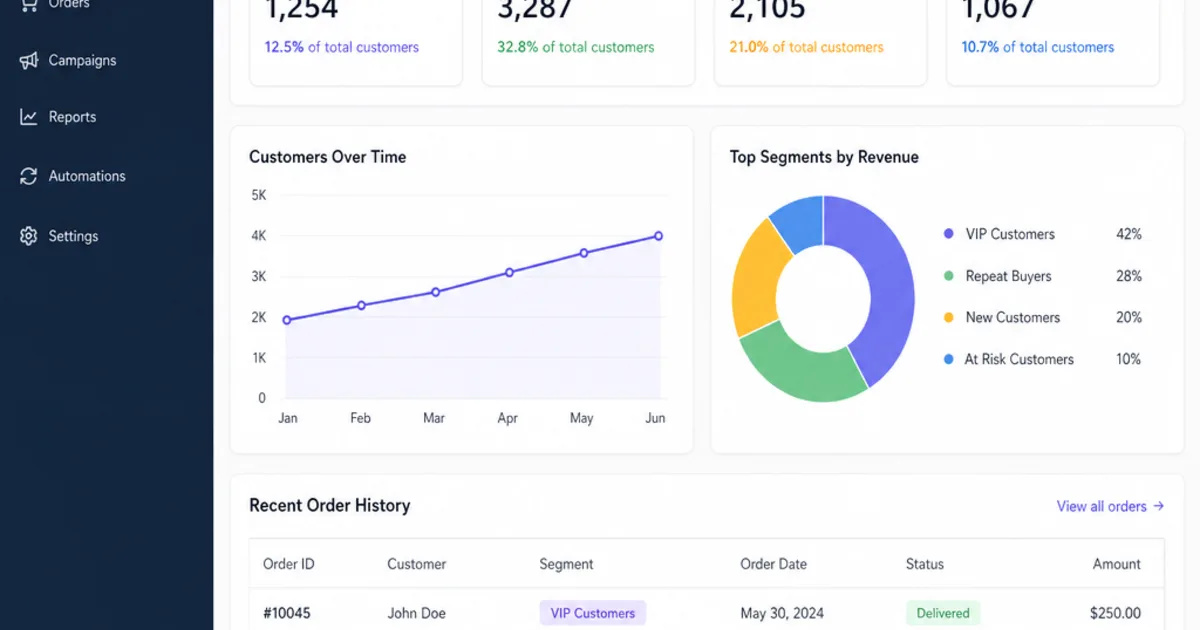
Ecommerce CRM Systems: How to Pick the Right One for Your Store
Choosing the right ecommerce crm in 2023 was less about buying the biggest database and more about connecting customer data, marketing activity, support history and sales automation in one usable place.
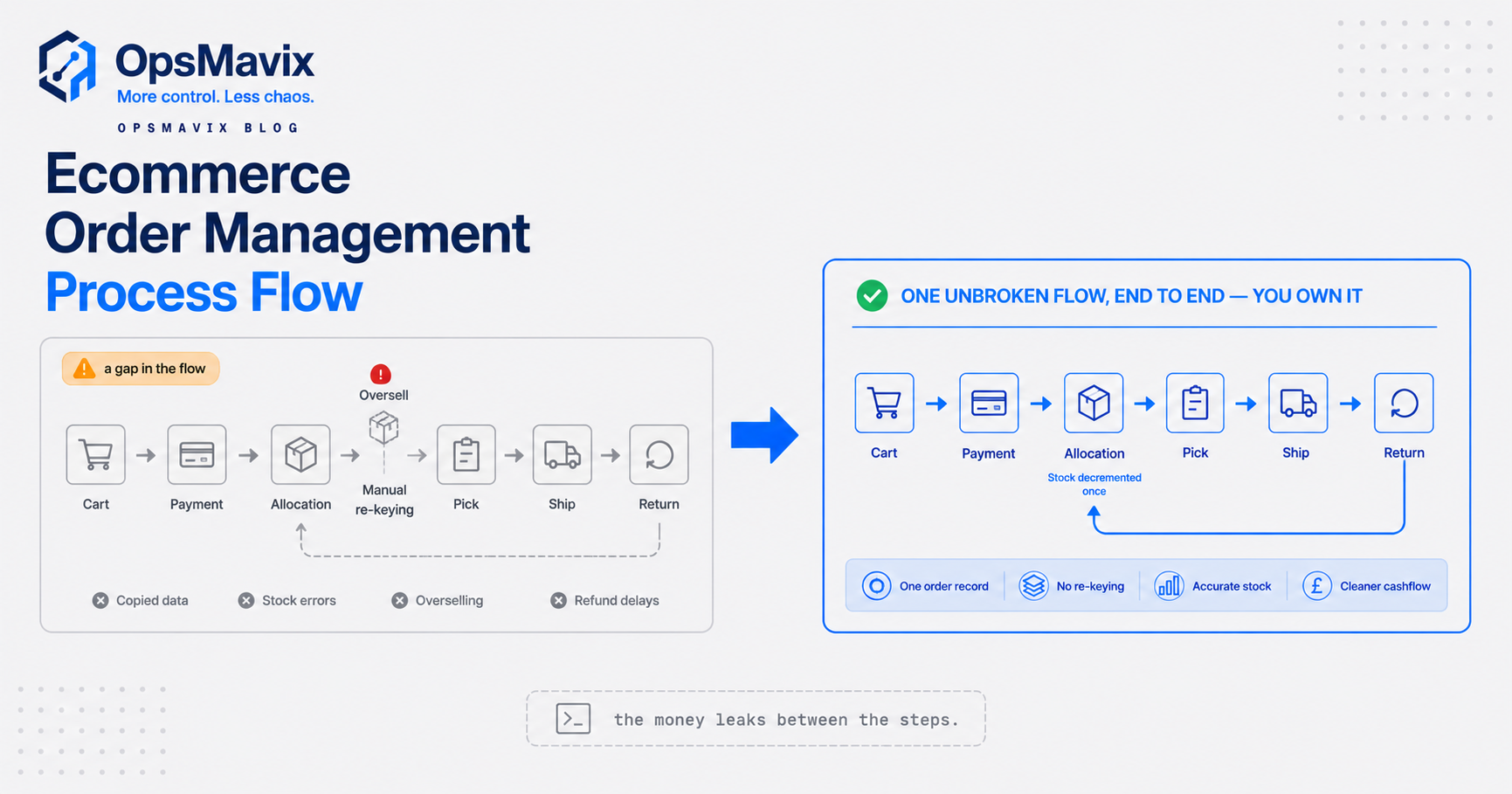
Ecommerce Order Management Process Flow: From Click to Dispatch
A clear, step-by-step map of the ecommerce order management process flow, from order received to payment, inventory check, pick and pack, ship and returns. It shows exactly where manual handoffs and overselling creep in across channels, and how to close each gap with a right-sized owned system for a business that has outgrown spreadsheets and disconnected tools.
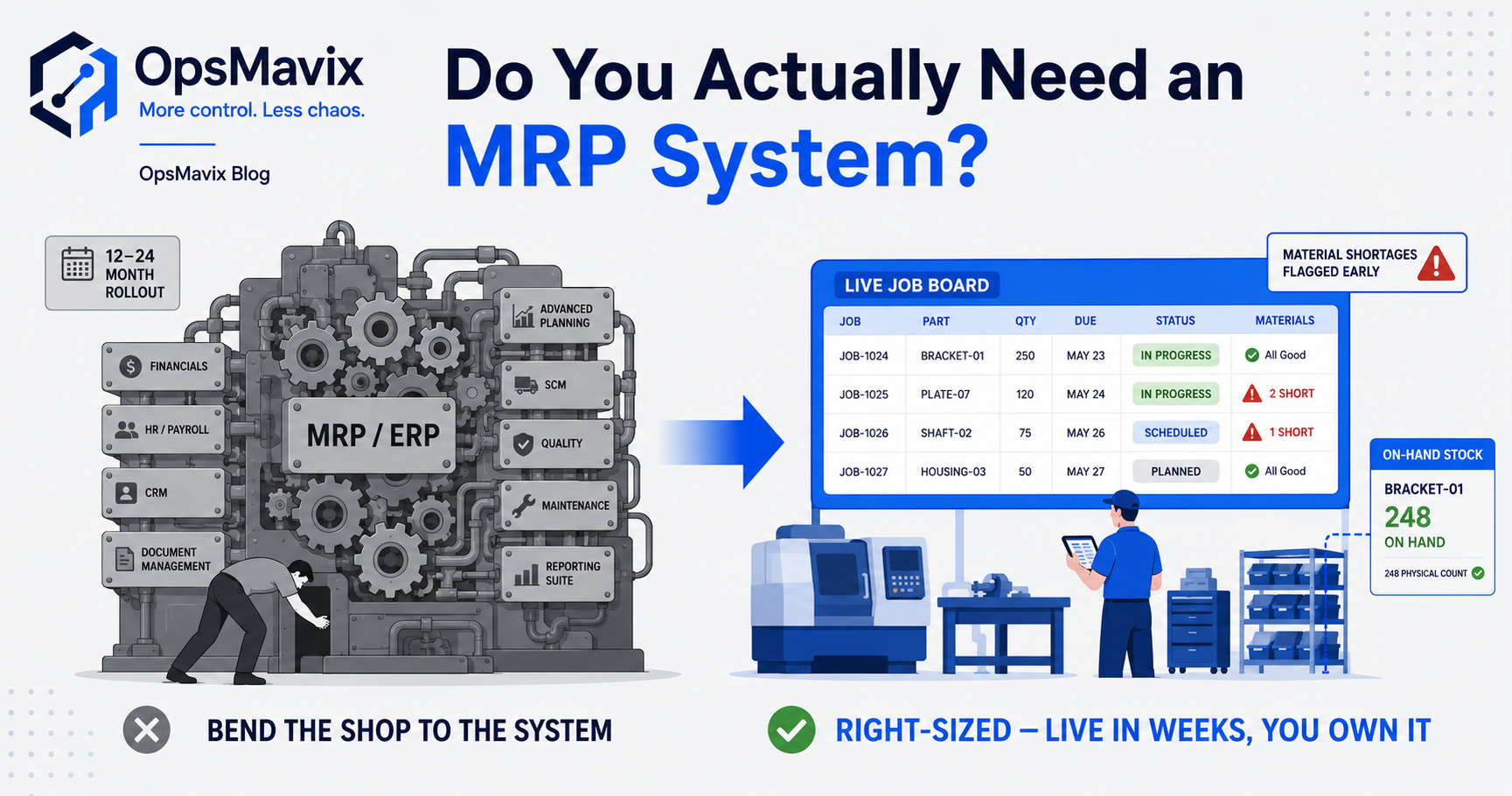
Do You Actually Need an MRP System? An Honest Take for Growing Manufacturers
An MRP system turns demand into a bill of materials, a purchasing plan and a schedule — and it's built for a scale and complexity most small and mid manufacturers haven't reached. The symptoms are real: materials short, jobs late, stock guesses, double-entry. But the fix is often a right-sized system built around how your shop actually runs, not a heavyweight rollout you bend the business to.
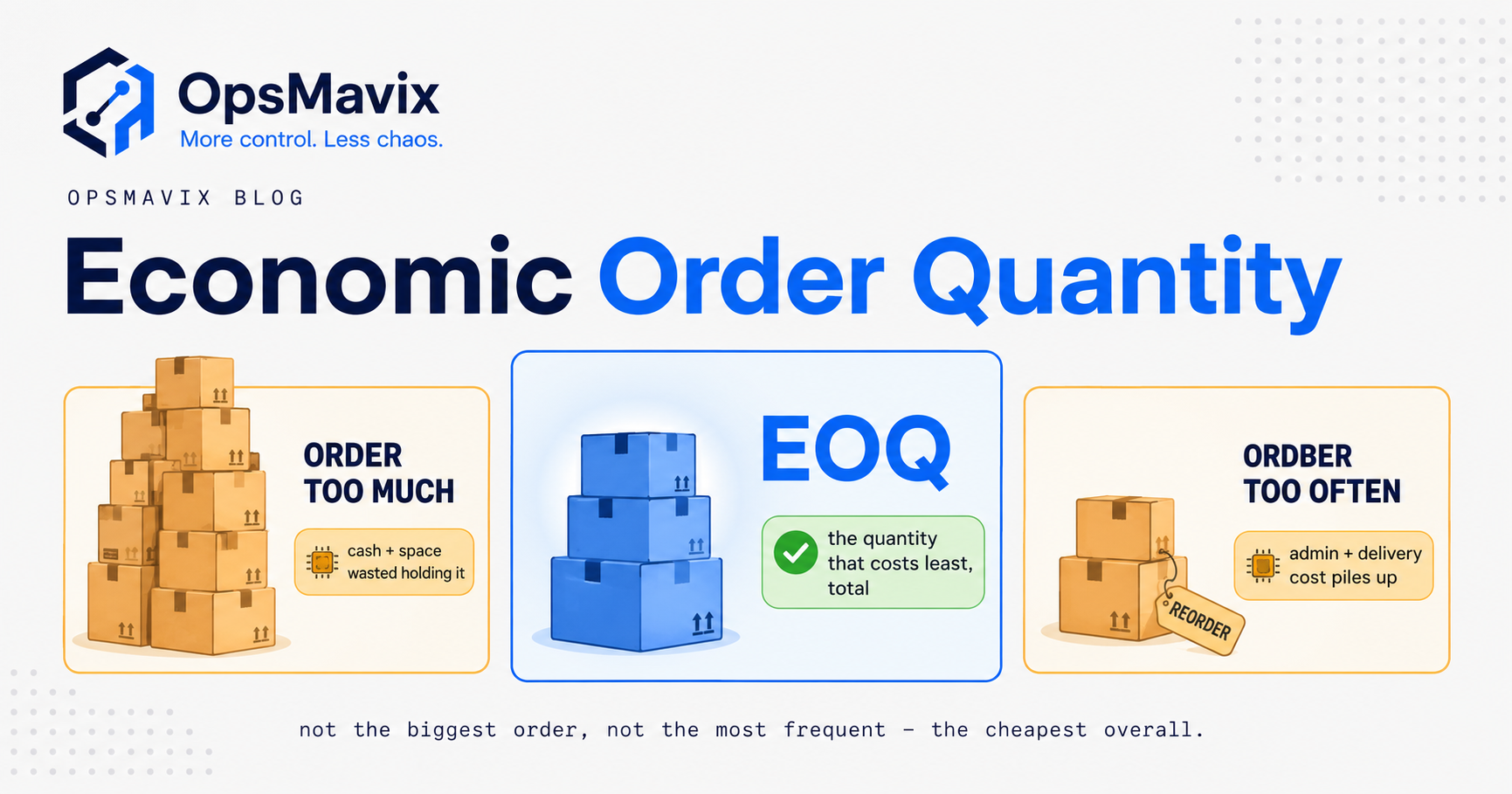
Economic Order Quantity (EOQ): The Formula, a Worked Example, and Its Limits
Economic order quantity is the order size that makes the total of your ordering costs and your holding costs as small as possible. This is the formula with every term explained, a worked example in £, how EOQ answers 'how much' while your reorder point answers 'when' — and, more usefully, the four assumptions that make textbook EOQ wrong for most small businesses and how to use it anyway.
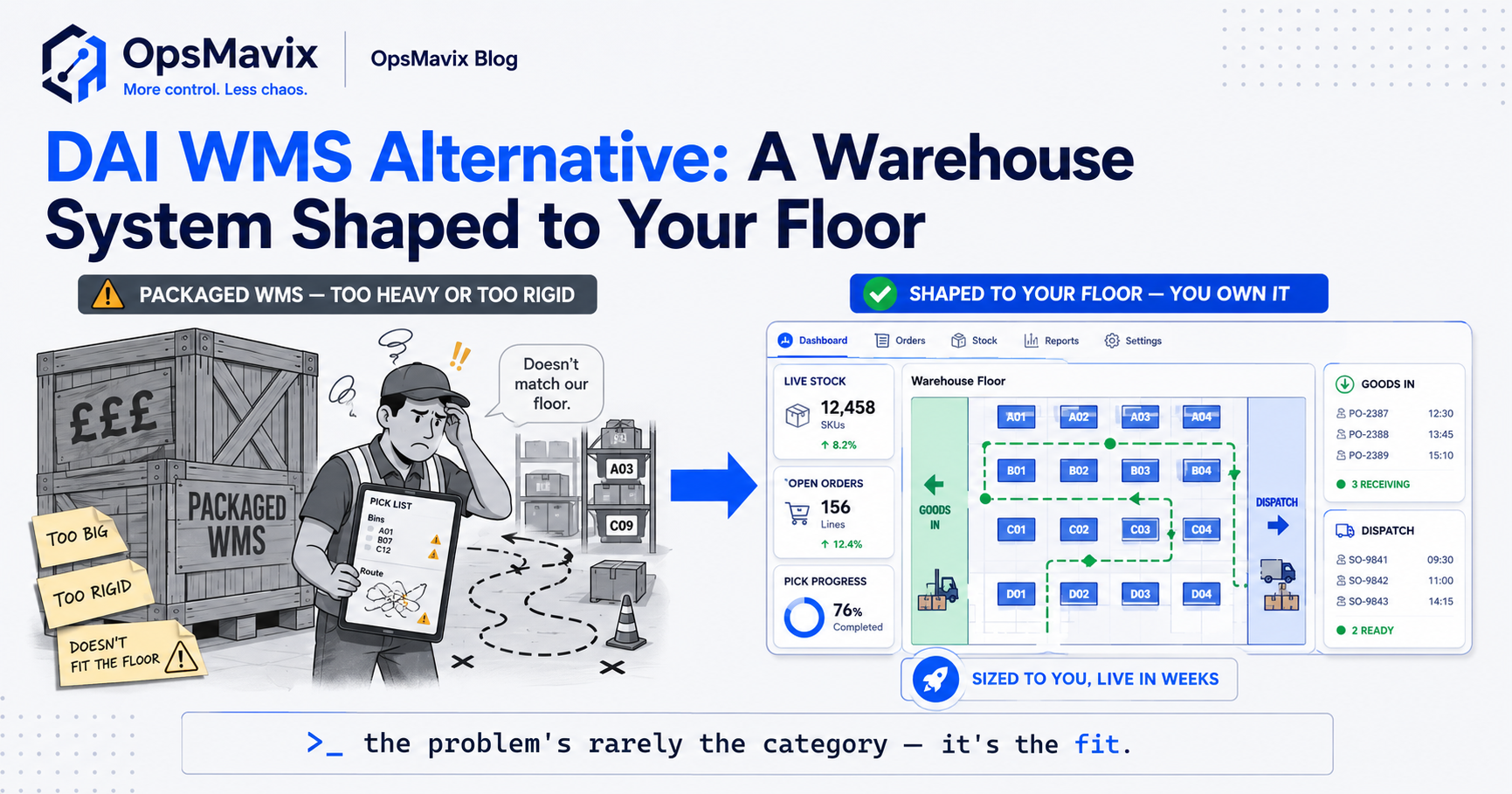
DAI Warehouse Management System Alternative: Built Around Your Real Flow
A DAI warehouse management system is off-the-shelf WMS software for running goods-in, stock, picking and dispatch — and packaged WMS tools do that core job well. The honest DAI alternative for a growing UK warehouse isn't another rigid package that ignores your bins and picking flow. It's a system shaped to how your operation actually runs, connected to your orders, stock and purchasing instead of standing as a bolt-on silo, live in weeks, and owned by you.
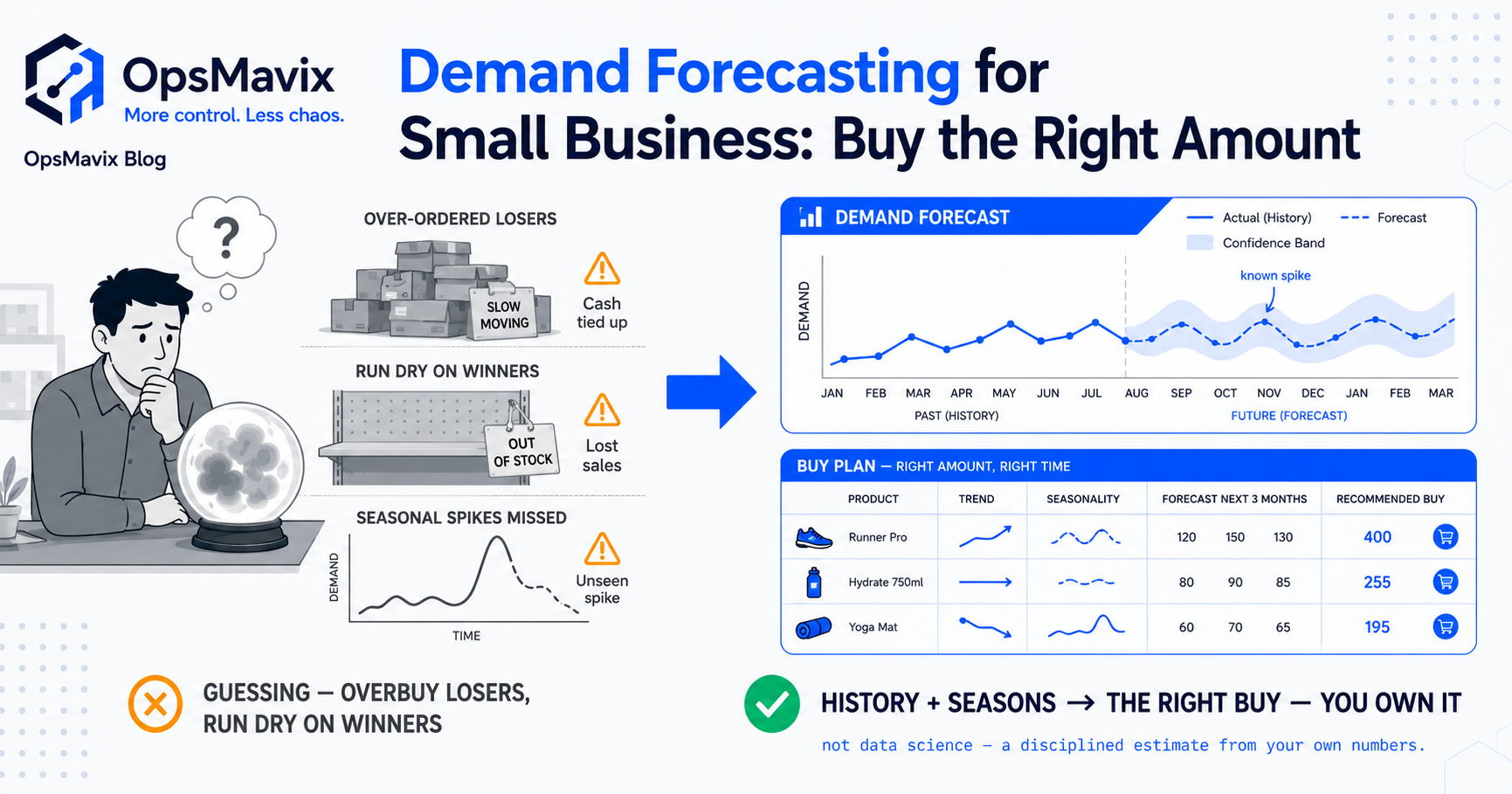
Demand Forecasting for Small Business: Buy the Right Amount, Not a Guess
Demand forecasting for a small business isn't a crystal ball — it's a disciplined guess at what you'll sell, so you buy the right amount ahead of time. Here's how to do it with methods simple enough to actually keep up, without the over-engineering that gets abandoned by week three.
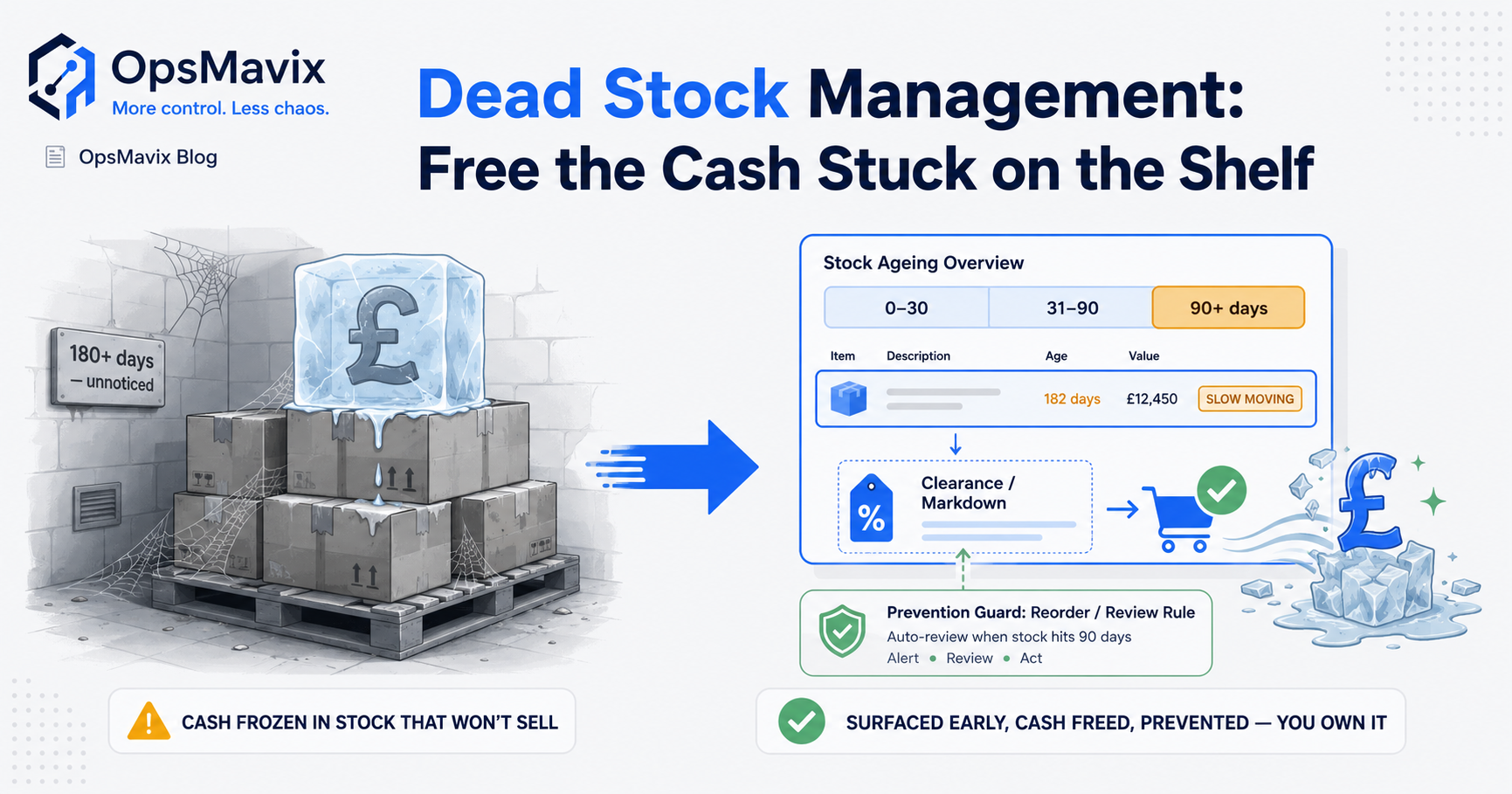
Dead Stock Management: Freeing the Cash Stuck on Your Shelves
Dead stock management is really cash management — money locked in stock that won't sell, quietly draining while you keep buying more. Here's how to spot slow movers before they go dead, clear the ageing lines without giving margin away, and stop the same over-buying from filling the shelves again.
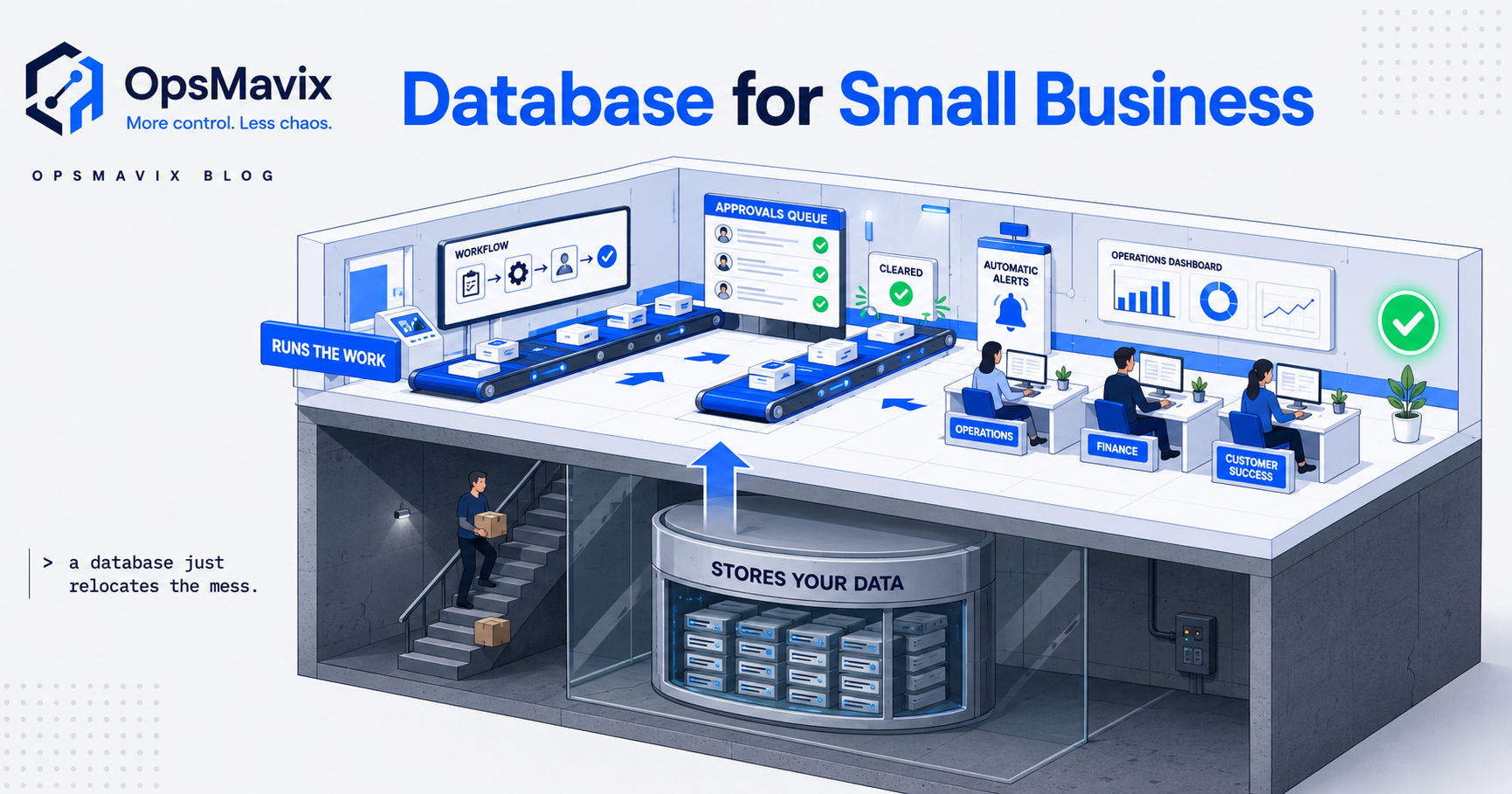
Database for Small Business: What You Actually Need (It's Probably Not a Database)
Most owners googling "database for small business" don't actually want a database — they want their work to run itself. A database stores data; an operations system runs the work, with rules, workflows and alerts. Here's the honest difference, when a simple database is genuinely enough, and why a raw DB usually just moves the mess somewhere tidier.