
What Is Procurement? Meaning, Process and Examples
Procurement is how a business finds, agrees, orders, receives and pays for what it needs. The meaning, the process step by step and a UK worked example.
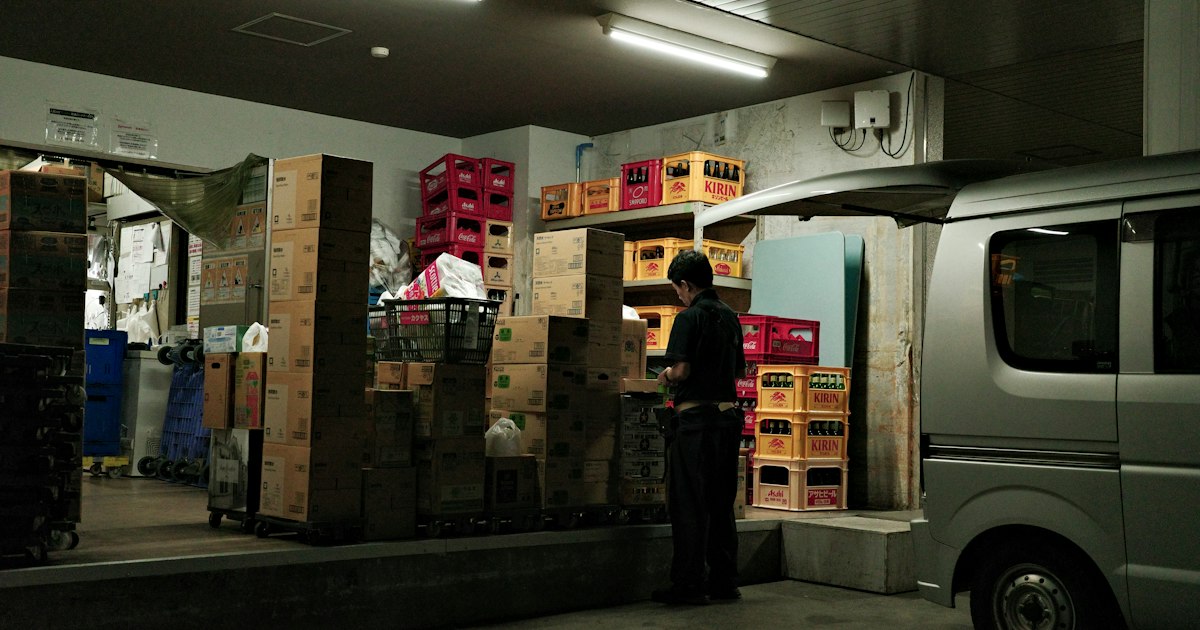
Procurement is the process a business uses to find, agree, order, receive and pay for the goods and services it needs from outside suppliers. So what is procurement in practice? It is more than placing orders. It covers choosing suppliers, agreeing prices and terms, raising purchase orders, checking deliveries, paying invoices and reviewing how each supplier performed.
Procurement meaning, with a simple example
What does procurement mean day to day? Take a packaging wholesaler that needs 20,000 cartons a month.
- Purchasing is raising this month’s order for 20,000 cartons.
- Procurement is everything around that order: setting the specification, asking three suppliers to quote, choosing one on price, lead time and reliability, agreeing a 12-month price, ordering, checking each delivery, paying the invoice and reviewing the supplier each quarter.
The Chartered Institute of Procurement and Supply (CIPS) describes procurement as “a long-term approach to acquiring goods and services” and purchasing as the short-term, transactional part. Put simply, purchasing is something you do on each order. Procurement is how you have decided to buy.
Procurement vs purchasing vs sourcing vs supply chain management
The four terms overlap, which is why they get mixed up. Each one is wider than the one before.
| Term | What it covers | When it happens | Example |
|---|---|---|---|
| Sourcing | Finding and choosing suppliers: research, quotes, negotiation, agreements | Before any order | Getting three quotes for cartons and agreeing a 12-month price |
| Purchasing | The transaction: requisition, purchase order, receipt, payment | On each order | Raising a purchase order for 20,000 cartons |
| Procurement | Sourcing and purchasing together, plus managing suppliers afterwards | All year | Everything above, plus a quarterly supplier review |
| Supply chain management | The whole flow from suppliers through stock and production to the customer. Procurement is one part of it | All year | Planning stock, buying, storing and delivering so customers get cartons on time |
The procurement process step by step
What is the procurement process? In most businesses it is the same eight steps, whatever is being bought. Each step produces a document, and each document is the evidence for the next step.
| Step | What happens | Document | Owner in a small business |
|---|---|---|---|
| 1. Identify the need | Stock reaches its reorder point, or someone needs an item or service | Reorder report or request | Stock controller or team lead |
| 2. Requisition | An internal request states the item, quantity, date needed and budget | Purchase requisition | Requester, approved by a manager |
| 3. Supplier search and quotes | Suppliers are asked to quote against the same specification | Request for quotation, quotes | Buyer |
| 4. Evaluate and select | Quotes are compared on price, lead time, minimum order, terms and reliability | Quote comparison, supplier agreement | Buyer with the owner or a director |
| 5. Purchase order | The order is sent with price, quantity, delivery date and terms | Purchase order | Buyer |
| 6. Receive goods | The delivery is checked against the order; shortages and damage are recorded | Delivery note, goods received note | Warehouse |
| 7. Match and pay | The invoice is matched to the order and the receipt, approved and paid on terms | Supplier invoice, remittance advice | Accounts |
| 8. Review supplier | Delivery, quality and price are scored and discussed | Supplier scorecard | Buyer, each quarter |
For repeat orders from an approved supplier, steps 3 and 4 are skipped: the price and terms are already agreed. More detail on individual steps:
- Step 2: the purchase requisition process and purchase requisition vs purchase order.
- Step 5: what is a purchase order and how long the purchase order cycle should take.
- Step 7: two-way vs three-way matching.
Types of procurement
CIPS classifies procurement as direct or indirect, and as goods or services.
- Direct procurement: raw materials, components, packaging and goods for resale. These go into what you sell, and the spend ends up in your cost of goods sold.
- Indirect procurement: what the business needs to run but does not sell, such as utilities, software, vehicles, maintenance and insurance.
- Goods procurement: physical items, direct or indirect.
- Services procurement: people-based services such as haulage, cleaning, contractors and IT support.
Direct spend is usually the largest figure and drives margin and stock levels. Indirect spend is usually where nobody is watching.
What procurement looks like in a 10 to 50 person business
What is procurement in business terms when there is no procurement department? The same steps, done by fewer people with lighter paperwork.
| 10 to 50 person business | Large company | |
|---|---|---|
| Who does it | The owner, an operations manager or one buyer, alongside other work | A procurement department with category managers |
| Approval | The owner or a director signs off above a set value | Tiered approval limits and delegated authority |
| Choosing suppliers | Three quotes and a conversation | Formal tenders and contracts |
| Tools | Accounting software, spreadsheets and email | E-procurement or ERP software with supplier portals |
| Rules | One page, if written down at all | A procurement policy, audited |
| Main risk | Dependence on one person and one supplier | Slow process, and spend outside agreed contracts |
A small business does not need the large-company version. It needs the eight steps to happen every time, with a record.
A worked example (hypothetical)
Hypothetical: a 22-person catering-supplies distributor in Leeds spends £1,200,000 a year with suppliers. Orders are placed by phone and email by whoever notices a gap, and invoices are paid as they arrive. The operations manager spends a quarter tightening three steps.
| Change | Spend affected | Result | Annual saving |
|---|---|---|---|
| Packaging consolidated from five suppliers to two on a 12-month agreement (steps 3 and 4) | £180,000 | 6% lower prices | £10,800 |
| Three quotes for pallet freight (step 3) | £96,000 | 8% lower rates | £7,680 |
| Invoices matched to order and receipt before payment (step 7) | £1,200,000 | Overcharges and duplicates worth 0.4% stopped | £4,800 |
| Total | £23,280 |
£23,280 is 1.9% of the year’s spend. At a 6% net margin, the business would need £388,000 of extra sales to add the same profit. The figures are invented, and the saving is before the cost of the manager’s time. Your own result depends on what you buy and how well you already buy it.
Key procurement metrics
Three numbers are enough to start with.
| Metric | Formula | Hypothetical example |
|---|---|---|
| Cost savings | (Old unit price − new unit price) × quantity bought | (£4.20 − £3.95) × 24,000 = £6,000, a 6.0% saving |
| Supplier on-time delivery | Deliveries on time and in full ÷ total deliveries × 100 | 172 ÷ 190 × 100 = 90.5% |
| Purchase order cycle time | Total days from approved requisition to order sent ÷ number of orders | (1 + 2 + 2 + 4 + 6) ÷ 5 = 3.0 working days |
Agree the start and end point of cycle time before you report it. Some teams measure to the day the goods arrive, which adds the supplier’s lead time.
Common procurement mistakes
- Ordering without a purchase order. A verbal order leaves nothing to check the delivery or the invoice against.
- Buying on price alone. A cheaper supplier with a longer or less reliable lead time costs more in stockouts and safety stock. See supplier lead time management.
- One person requests, approves and pays. Split at least the approval from the payment.
- Relying on a single supplier for a line the business cannot trade without.
- Paying invoices without matching them to the order and the goods received.
- Never reviewing suppliers. Prices drift up and delivery slips when nobody is measuring.
- Keeping agreed prices in someone’s head. Record them where the person raising the order can see them.
The procure to pay process in brief
The procure to pay process (often written P2P) is the transactional half of procurement joined to accounts payable: requisition, approval, purchase order, goods receipt, invoice matching and payment. That is step 2 and steps 5 to 7 in the table above. Sourcing and supplier review sit outside it.
Treating it as one process means the order, the receipt and the invoice share the same record, so the invoice can be checked before it reaches the purchase ledger. Our guide to purchase order vs invoice explains how the two documents relate.
Procurement in construction
In construction the word has two meanings.
- For a client, it is the procurement route: how the design and the building work are contracted. Common routes include traditional contracting, design and build, management contracting and construction management, as described in the Designing Buildings guide to procurement routes.
- For a contractor or subcontractor, it is buying materials, plant hire and subcontract packages for each job, timed to the programme and costed against the job.
Stockholding matters less than timing. Materials that arrive late stop the job, and materials that arrive early get damaged or go missing. Each purchase should carry a job reference so the cost lands in the right place, which is the basis of job costing. For public works, the government’s Construction Playbook sets out how projects are assessed, procured and delivered. That, too, is public sector only.
How to set up a procurement business process in a small company
- List what you buy and from whom. Export 12 months of supplier spend from your accounting software and sort it largest first.
- Write approval limits: who can order, and up to what value.
- Make it a rule that every order above a small threshold gets a purchase order number.
- Ask for three quotes for any new item or contract above a value you choose.
- Record agreed prices and lead times against each supplier and item.
- Check every delivery against the order at the door.
- Match each invoice to the order and the receipt before paying.
- Review your top ten suppliers each quarter on on-time delivery, quality and price changes. Tools for this are covered in our guide to supplier relationship management software.
FAQs
What does procurement mean?
Procurement means obtaining the goods and services a business needs from outside suppliers. It includes choosing suppliers, agreeing terms, ordering, receiving, paying and reviewing performance, not only placing the order.
What is procurement in business?
In business, procurement is the function that manages supplier spend. In a large company it is a department. In a small one it is usually part of the owner’s, operations manager’s or buyer’s job.
What is the procurement process?
The procurement process is the set of steps from need to payment: identify the need, raise a requisition, get quotes, select a supplier, send a purchase order, receive the goods, match and pay the invoice, and review the supplier.
What is the difference between procurement and purchasing?
Purchasing is the transaction: raising the order, receiving the goods and paying. Procurement is wider. It adds supplier selection, negotiation, agreements and supplier management.
What is the procure to pay process?
The procure to pay process runs from requisition through purchase order and goods receipt to invoice matching and payment. It links purchasing to accounts payable so that only invoices for goods ordered and received are paid.
What is procurement in construction?
For a client, it is the route used to contract the design and build, such as traditional or design and build. For a contractor, it is buying materials, plant and subcontract work for each job, on time and against the job’s budget.
How OpsMavix can help
Most small businesses do not need procurement software. They need the eight steps to happen every time, and a spreadsheet plus accounting software can do that for a while. It stops working when orders, receipts and invoices live in three places and nobody can see what was agreed.
OpsMavix builds custom systems that can be scoped to cover requisitions, approval limits, purchase orders, goods receipts and invoice matching in one place, alongside your stock and sales orders. What is included is agreed for each project. First systems start from £4,950 at a fixed price in writing and go live in about 30 days. You pay half to start and half when it works, there are no per-seat fees, and you own the code, data and hosting. See invoice approval workflow automation and inventory automation. A wholesale ordering system built for a client is available to try with anonymised data.
OpsMavix ERP is the off-the-shelf option. It covers stock, orders, purchasing and the books for £99.99 a month for the whole company, with pricing published here. It is new and has no customer stories. It has one stock location, no multi-currency, no bank feeds and no HMRC VAT filing, and its posting rules have not been reviewed by an accountant, so ask yours to check the set-up.
Who should not use it: a business buying in foreign currencies or running several warehouses, and any public body that needs a tendering tool. If you are unsure, read is OpsMavix right for you or contact us.
Keep reading


Getting value from OpsMavix? Add us as a preferred source on Google — you'll see more of our operations content in your AI Overviews, AI Mode and Search.