
Workday ERP for Finance Teams: Connected Data, Clearer Control
Modern finance teams need more than ledgers and month-end routines. A workday erp system brings finance, people data, planning and operational insight into one cloud-based environment, helping organisations manage money with clearer controls and faster decision-making.
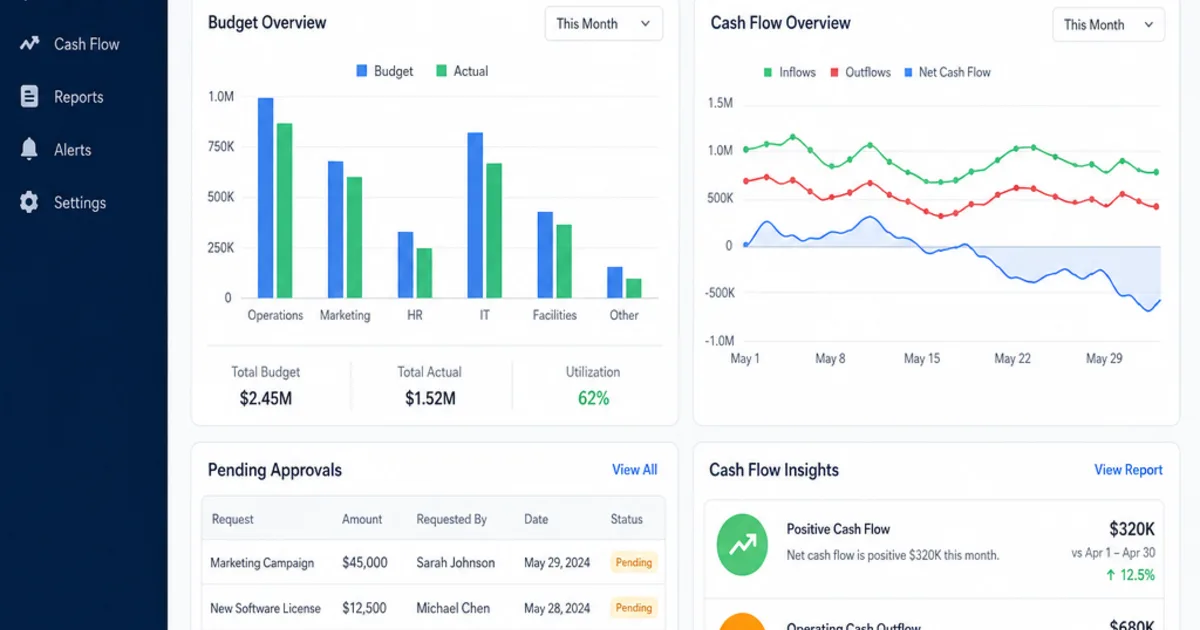
Modern finance teams need more than ledgers and month-end routines. A workday erp system brings finance, people data, planning and operational insight into one cloud-based environment, helping organisations manage money with clearer controls and faster decision-making. For leaders comparing erp systems, Workday ERP is often discussed because it connects financial management with the wider business context rather than treating accounts as a separate back-office function.
What makes Workday ERP useful for financial management?
Workday ERP is useful for financial management because it gives finance teams a more connected view of transactions, budgets, workforce costs, reporting and approvals. Instead of moving data between isolated tools, teams can work from a single source of information that supports accounting, procurement, expenses, planning and analysis. The practical benefit is simple: finance leaders spend less time chasing figures and more time understanding what those figures mean for the organisation.
This is where workday enterprise resource planning differs from older, heavily siloed finance platforms. Traditional erp software can be powerful, but it may require complex maintenance, separate reporting tools and manual reconciliation between departments. A cloud erp approach is designed to keep finance processes, controls and insights closer together, which matters when businesses need to respond quickly to cost pressure, growth, restructuring or changing demand.
Connected finance starts with shared data
Good financial management depends on trustworthy data. If payroll, procurement, project costs, expenses and accounting all sit in separate systems, finance teams can lose time checking which version of a number is accurate. Workday enterprise resource planning helps reduce that friction by bringing relevant business data into a more unified framework.
This does not remove the need for strong governance. Roles, permissions, approval policies and data ownership still matter. However, when the underlying workday erp system is configured well, shared data can make everyday finance work smoother and more transparent.
For example, a finance manager reviewing departmental spend may also need to understand hiring plans, supplier commitments or project activity. With connected business management tools, those insights become easier to access without waiting for multiple teams to prepare separate files. The result is not just faster reporting; it is better context for decisions.
Stronger reporting and real-time visibility
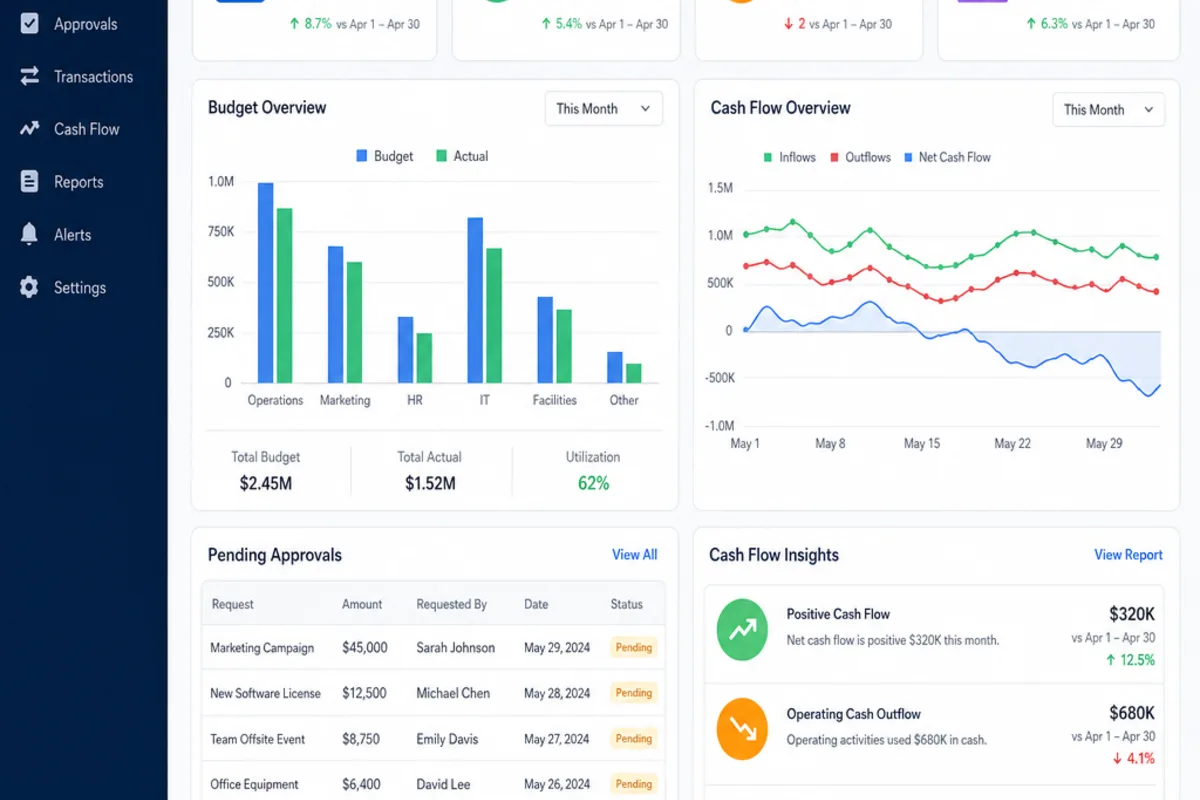
One of the most valuable Workday benefits for finance teams is improved visibility. Month-end reports are still important, but leaders increasingly need answers during the month, not only after it has closed. A modern enterprise resource planning environment can support dashboards, drill-down analysis and more consistent reporting across functions.
Real-time visibility helps finance teams spot issues earlier. Overspend, delayed approvals, unusual expense patterns or changes in workforce cost can be reviewed before they become larger problems. This is especially useful for organisations with multiple entities, departments or locations, where a slow reporting cycle can hide operational risk.
Useful reporting should also be understandable. Finance teams may need detailed account-level information, while department leaders need clear summaries they can act on. Workday ERP can support both needs by making information available at different levels of detail, depending on the user’s role.
Key reporting advantages may include:
- Cleaner access to financial data: users can work from consistent records rather than manually combining spreadsheets.
- Faster analysis: finance teams can investigate variances, trends and exceptions with less dependence on static reports.
- Better accountability: managers can see budget activity, approval status and spend patterns more clearly.
- More useful forecasting inputs: connected operational and workforce data can support better planning conversations.
How does Workday integration reduce finance friction?
Workday integration reduces finance friction by connecting Workday with the other systems an organisation still needs, such as banking platforms, tax tools, payroll providers, procurement networks, customer systems or specialist reporting applications. Even the best erp systems rarely operate in complete isolation, so integration is essential for keeping data accurate and processes efficient.
A well-planned workday integration can reduce duplicate data entry, limit manual uploads and improve the reliability of information moving between teams. For finance, this can mean fewer reconciliation headaches and a clearer audit trail. It can also help operational teams continue using specialist tools while finance retains a consolidated view of the numbers.
The key is to treat integration as a finance design decision, not just a technical task. Before connecting systems, organisations should ask what data needs to move, how often it should update, who owns it and what controls are needed. Poorly designed integrations can simply move bad data faster, so planning matters.
Better controls without slowing the business
Financial control is not only about preventing errors. It is also about giving people the right process to follow so they can make purchases, approve spend and manage budgets responsibly. Workday ERP can support structured workflows for approvals, expenses, procurement and accounting tasks, helping organisations balance control with usability.
This matters because overly complex controls often encourage workarounds. If a purchase approval process is confusing or slow, employees may delay action, use informal channels or create extra admin for finance. A clear digital workflow can guide users through the right steps while giving finance teams visibility over what is happening.
Controls may cover areas such as:
- approval limits by role, department or spend category
- segregation of duties for sensitive finance tasks
- policy checks for expenses and procurement requests
- audit trails showing who reviewed or approved an action
- access permissions aligned to job responsibilities
These features are most effective when they reflect real business needs. A growing company may need simple, scalable controls, while a larger enterprise may require more detailed governance across entities and regions. The software provides the framework, but good process design makes it work.
Planning becomes more closely tied to reality
Financial planning is strongest when it reflects what is actually happening in the business. If budgets are created separately from workforce plans, supplier commitments or operational changes, forecasts can quickly become outdated. Workday ERP helps bring planning closer to live business activity, which can make conversations about performance more grounded.
This is particularly useful for finance teams supporting leadership decisions. Instead of only asking whether last month’s numbers were on target, teams can explore what might happen next. They can model scenarios, review cost drivers and discuss trade-offs with better information.
For example, a department may want to expand its team, invest in new software or reduce external supplier spend. Connected financial and operational data can help leaders understand the budget impact before decisions are made. That does not guarantee perfect forecasting, but it does encourage more disciplined planning.
A practical view of Workday benefits
The main Workday benefits for financial management are not just technical. They show up in the daily experience of finance teams, managers and executives. Less manual consolidation, clearer approvals and more timely information can change how confidently people make decisions.
For finance leaders, the benefit is a stronger grip on performance and risk. For department managers, it is easier to understand budgets and responsibilities. For executives, it can mean faster access to the financial story behind strategic choices.
Common practical benefits include:
- Reduced manual effort Finance teams can spend less time moving figures between spreadsheets and more time reviewing quality, exceptions and insight.
- Improved decision support Connected data helps leaders understand not only what happened, but why it happened and what may need to change.
- Clearer ownership Approval workflows and role-based access make it easier to see who is responsible for each action or decision.
- Scalable processes A cloud erp model can support organisations as structures, teams and reporting needs evolve.
- More consistent user experience When finance tasks are easier for employees and managers to complete, compliance can improve naturally.
What should organisations consider before adopting Workday ERP?
Organisations should consider their finance processes, data quality, integration needs, reporting goals and change management capacity before adopting Workday ERP. The platform can support strong financial management, but the outcome depends on how well the implementation reflects the organisation’s structure, priorities and people.
Before selecting any erp software, leaders should be honest about current pain points. Are reports too slow? Are approvals inconsistent? Is budgeting disconnected from operational reality? Are teams relying on manual workarounds because existing systems do not fit the way the business runs?
A useful readiness checklist includes:
- Map the finance processes that need improvement before discussing configuration.
- Identify which systems must connect through workday integration.
- Review data quality, naming conventions and ownership.
- Define what success looks like for reporting, planning and controls.
- Involve finance users, operational managers and IT early.
- Plan training around real tasks, not just system navigation.
- Decide how ongoing improvements will be managed after launch.
This is also the point where organisations may compare vendors and adjacent platforms. Some procurement teams may even phrase their research as “evaluate the Workday company UKG on enterprise resource planning”, especially when workforce management, payroll and finance requirements overlap. The important thing is to compare solutions against business needs rather than brand familiarity alone.
Implementation success depends on people as much as technology
A workday erp project is not simply a software installation. It changes how people request spend, approve transactions, review reports and plan future activity. That means user adoption is central to financial value.
Clear communication helps. Employees need to know why processes are changing, what they are expected to do differently and where to get support. Finance teams need confidence that controls and reporting structures have been designed around real responsibilities, not theoretical charts.
Partners and advisers can also play a role. If your team is working with a specialist such as Opsmavix, the focus should be on practical outcomes: better process design, cleaner integrations, reliable reporting and smoother adoption. The right support can help organisations avoid treating configuration as the goal, when the true goal is better financial management.
Workday ERP within the wider ERP landscape
The wider enterprise resource planning market includes many platforms, each with different strengths. Some organisations need deep manufacturing functionality, some prioritise finance and HR, and others require industry-specific workflows. Workday ERP is commonly considered where finance, planning and people-related data need to work closely together in a cloud environment.
This does not mean it is automatically the best choice for every organisation. The right erp software should fit the business model, reporting obligations, internal capability and integration landscape. A careful evaluation should look at process fit, user experience, data model, scalability and the total effort required to implement and maintain the system.
For finance teams, the most important question is whether the system will improve decision-making, control and efficiency in a measurable, practical way. A polished platform is useful only if it helps people do better work.
A clearer financial operating model
Workday ERP enhances financial management by connecting data, workflows, reporting and planning in a single cloud-based environment. It helps finance teams move from reactive processing towards more informed guidance, while giving managers clearer ownership of budgets and spend.
The strongest results come when organisations combine the technology with thoughtful process design, good data governance and committed user adoption. For businesses reviewing erp systems, Workday can be a strong option to explore when financial management needs to be more connected, visible and responsive.
FAQ
What is a workday erp system used for?
A workday erp system is used to bring finance, people data, planning and operational insight into one cloud-based environment. It supports accounting, procurement, expenses, planning and analysis from a single source of information, so finance teams spend less time chasing figures and more time understanding what those figures mean for the organisation.
How is Workday enterprise resource planning different from older finance platforms?
Traditional erp software can be powerful, but it may require complex maintenance, separate reporting tools and manual reconciliation between departments. A cloud erp approach keeps finance processes, controls and insights closer together, which matters when businesses need to respond quickly to cost pressure, growth, restructuring or changing demand.
Why does Workday integration matter for finance teams?
Even the best erp systems rarely operate in complete isolation, so integration keeps data accurate and processes efficient. A well-planned workday integration can reduce duplicate data entry, limit manual uploads and improve reliability between teams, which means fewer reconciliation headaches and a clearer audit trail for finance.
What controls can Workday ERP support?
Controls may cover approval limits by role, department or spend category, segregation of duties for sensitive finance tasks, policy checks for expenses and procurement requests, audit trails showing who reviewed or approved an action, and access permissions aligned to job responsibilities. Good process design makes those features effective.
What should organisations check before adopting Workday ERP?
Organisations should map the finance processes that need improvement, identify which systems must connect through workday integration, review data quality and ownership, define what success looks like for reporting, planning and controls, involve finance, operational and IT people early, plan training around real tasks, and decide how improvements will be managed after launch.
Keep reading
Getting value from OpsMavix? Add us as a preferred source on Google — you'll see more of our operations content in your AI Overviews, AI Mode and Search.