
Statement of Account: Meaning, Example and Template (UK)
A statement of account summarises a customer's invoices, credit notes, payments and balance. A full UK example to copy, plus how to reconcile one.
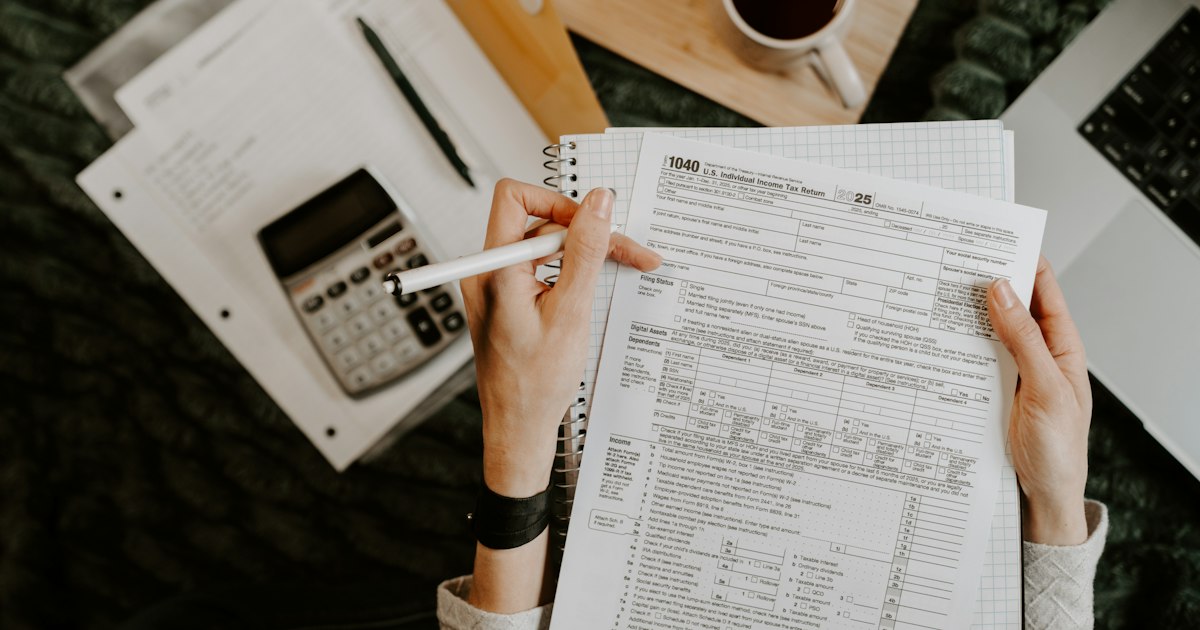
A statement of account is a summary that a supplier sends to a customer, listing the invoices, credit notes and payments on the account for a period and the balance still owed. It is a reminder and a checking tool. It does not bill anything new, and it is not a VAT invoice.
What is a statement of account?
The statement of account meaning is in the name: it states the position of one customer’s account with one supplier on a given date. Where an invoice covers a single sale, a statement covers the whole trading relationship for a period, usually a month.
It answers three questions for the customer:
- What have you invoiced and credited me?
- Which of my payments have you received?
- What do you think I still owe, and how old is it?
You will also see “statement of accounts”, “customer statement” and “account statement” used for the same document. A statement you receive from your own supplier is usually called a supplier statement.
Two things share a similar name and are not the same. A bank statement comes from your bank and lists money in and out of a bank account. A company’s statutory accounts are the annual accounts prepared at the end of the financial year. This guide is about neither.
Statement of account vs invoice
| Invoice | Statement of account | Remittance advice | |
|---|---|---|---|
| Sent by | Supplier | Supplier | Customer |
| Covers | One sale | Every transaction on the account for a period | One payment |
| Purpose | Asks for payment and records the sale | Summarises the account and shows the balance owed | Tells the supplier which invoices a payment covers |
| Changes the amount owed? | Yes | No, it reports what is already owed | No, the payment does |
| Posted to the ledgers? | Yes | No | No, the payment is |
| Can the customer reclaim VAT with it? | Yes, if it is a valid VAT invoice | No | Not applicable, the customer issues it |
The VAT point comes from HMRC: you cannot reclaim VAT using an invalid invoice, a pro-forma invoice, a statement or a delivery note (keeping VAT records). If a statement shows an invoice you do not have, ask for a copy of the invoice. See our guides to remittance advice and purchase order vs invoice for the other documents in the chain.
What goes on a statement of account
- the words “Statement of account”
- the supplier’s name, address, contact details and VAT number
- the customer’s name, address and account number
- the statement date and the period covered
- the opening balance brought forward
- each invoice, with its date, number and amount
- each credit note, with its date, number and amount
- each payment received, with its date and amount
- a running balance and the closing balance due
- an aged summary: how much is not yet due and how much is overdue, by age
- payment terms and how to pay
Two common layouts
- Activity statement. Starts with a balance brought forward and lists every transaction in the period, including paid invoices and payments. Best for reconciling.
- Outstanding or open-item statement. Lists only the items still unpaid at the statement date. Best for chasing.
Xero uses the names Activity and Outstanding. QuickBooks Online calls its versions Balance Forward, Open Item and Transaction Statement.
Statement of account example and template
Hypothetical. The businesses, references and figures are illustrative. There is no file to download: copy the tables below into a spreadsheet or document and replace the details with your own. It is a typical sample format of statement of account for a UK trade customer.
Calder Packaging Ltd, a packaging supplier in Leeds, sends this activity statement to its customer Northgate Fixings Ltd. Terms are 30 days from invoice date.
| Field | Entry |
|---|---|
| Document title | Statement of account |
| From | Calder Packaging Ltd, address, VAT number, accounts contact |
| To | Northgate Fixings Ltd, address |
| Customer account number | NF014 |
| Statement date | 30 November 2026 |
| Period covered | 1 to 30 November 2026 |
| Payment terms | 30 days from invoice date |
| How to pay | Bank name, sort code and account number. Quote NF014 with every payment |
| Date | Reference | Description | Invoiced | Paid or credited | Balance |
|---|---|---|---|---|---|
| 1 Nov 2026 | Balance brought forward | £1,860.00 | |||
| 5 Nov 2026 | INV-3310 | Invoice | £1,440.00 | £3,300.00 | |
| 12 Nov 2026 | Payment received, thank you | £1,500.00 | £1,800.00 | ||
| 17 Nov 2026 | INV-3342 | Invoice | £960.00 | £2,760.00 | |
| 20 Nov 2026 | CN-0071 | Credit note against INV-3310, short delivery | £120.00 | £2,640.00 | |
| 26 Nov 2026 | INV-3377 | Invoice | £540.00 | £3,180.00 | |
| Balance due at 30 November 2026 | £3,180.00 |
| Aged summary | Amount |
|---|---|
| Not yet due | £2,820.00 |
| 1 to 30 days overdue | £360.00 |
| 31 to 60 days overdue | £0.00 |
| Over 60 days overdue | £0.00 |
| Total due | £3,180.00 |
The £360.00 overdue is invoice INV-3268 from 14 October, which fell due on 13 November and was not covered by the £1,500.00 payment. The aged summary makes that visible in one line, which is the main reason to include it. The same split, run across every customer at once, is the aged debtors report.
When to send statements
- Monthly, in the first few days after month end. That is when your customers’ accounts teams reconcile supplier accounts and plan payment runs.
- Before you chase. A statement is a neutral first step in credit control: it lists the facts and asks nothing awkward.
- On request. Customers often ask for one at their year end.
- When an account is in dispute. An agreed statement gives both sides the same list to work from.
A statement reports due dates; your terms and invoices set them. If no payment date was agreed, the law treats a business payment as late 30 days after the customer gets the invoice, or after delivery if that is later (late commercial payments). Statutory interest on late business debts is 8% plus the Bank of England base rate, and the government’s guidance says to send a new invoice if you decide to add interest (interest on late payments). This is general information checked on 26 November 2026, not legal advice.
How a customer reconciles a supplier statement
If you are the customer, the statement is a free audit of your purchase ledger.
- Print the supplier’s account from your ledger as at the statement date.
- Tick off every item that appears on both. Same reference, same amount.
- List what is on the statement but not in your ledger. Usually an invoice you never received or one stuck in approval.
- List what is in your ledger but not on the statement. Usually a payment in transit, or a credit you are expecting that the supplier has not raised.
- Check amounts that differ. Price queries, short deliveries and part payments show up here.
- Prove the difference. The two balances, adjusted for your lists, should agree to the penny.
- Act. Request copy invoices, chase credit notes and correct your own mispostings. Our credit note guide shows what a valid one must quote, so you know what to ask for.
Hypothetical. Northgate’s purchase ledger shows £2,280.00 owed to Calder Packaging at 30 November, against £3,180.00 on the statement.
| Amount | |
|---|---|
| Balance per supplier statement | £3,180.00 |
| Less payment sent 30 November, not yet on the statement | (£360.00) |
| Less INV-3377, on the statement but not received by Northgate | (£540.00) |
| Balance per Northgate’s purchase ledger | £2,280.00 |
Northgate asks Calder for a copy of INV-3377 and posts it when it arrives. It does not post the invoice from the statement.
HMRC’s VAT Notice 700/21 explains why. It encourages businesses to record individual supplies, because that lowers the risk of invoices being missed or entered twice, once as an invoice and once as part of the statement. It does accept recording totals from a supplier statement where all the supplies fall in the same VAT period and the total VAT at each rate is shown, but you must still cross-reference every supply on the statement to the invoices received.
Common mistakes
If you send statements:
- Not sending them. Queries then surface only when you chase, weeks later.
- Sending them before cash is allocated. Unallocated payments make the statement wrong and annoy customers who have paid.
- No aged summary. The customer cannot see what is overdue without working it out.
- Leaving out credit notes. The balance is overstated and the customer stops trusting it.
- Sending to a buyer, not to accounts. Hold an accounts email address for every customer.
If you receive statements:
- Filing them unread. Reconcile the top suppliers by value every month.
- Paying the statement balance without checking it. Pay invoices you hold and have approved.
- Posting invoices from the statement. Get the invoice.
- Reclaiming VAT from it. HMRC says you cannot reclaim VAT using a statement.
Where Xero, QuickBooks and Sage produce statements
We checked each vendor’s own help pages on 26 November 2026.
| Tool | Where to find it | What the help page says |
|---|---|---|
| Xero | Contacts, then Customers, open the contact, then the menu icon and Send statements | Two types: Activity and Outstanding. You can print a PDF or email one or many customers |
| QuickBooks Online (UK) | + New or + Create, then Statement | Three types: Balance Forward, Open Item (last 365 days) and Transaction Statement. You pick a statement date and a balance status of Open, Overdue or All |
| Sage Accounting | Contacts, then Customers, open the customer, then Manage and Statements | Choose a date and select Calculate, then email, print, export to CSV or schedule monthly statements. Sage says this is only in Accounting Standard and Plus |
| Sage 50 Accounts | Customers, select the customers, then Statements | Choose a layout, then preview, print, export or email |
Sources: Xero, QuickBooks statement types, QuickBooks download statements, Sage Accounting and Sage 50.
These are customer statements, the ones you send. We did not find a built-in supplier statement reconciliation feature on the pages we checked, so we make no claim about one.
FAQs
What is a statement of account?
A summary from a supplier to a customer showing the invoices, credit notes and payments on the account for a period, and the balance owed at the statement date.
What is statement of account used for?
Suppliers use it to prompt payment and flush out queries. Customers use it to check that their purchase ledger agrees with the supplier’s records.
Is a statement of account the same as an invoice?
No. An invoice bills one sale and can support a VAT claim. A statement lists invoices already issued and cannot be used to reclaim VAT.
Is a statement of account the same as a bank statement or company accounts?
No. A bank statement comes from a bank and lists the movements on a bank account. A company’s annual accounts, called statutory accounts, are prepared from its financial records at the end of the financial year and include a balance sheet and a profit and loss account (annual accounts). A statement of account is a routine trading document between a supplier and a customer.
Is there a statement of account template I can use?
Yes: the example above. Copy the header fields, the transaction table and the aged summary into your own spreadsheet. If you use accounting software, its built-in statement will follow much the same layout.
How often should statement of accounts be sent?
Monthly is the norm for trade accounts, shortly after month end. Send one sooner if an account is overdue or a customer asks.
How OpsMavix can help
Statements are only as good as the ledgers behind them. If invoices are posted late and cash sits unallocated, the statement is wrong on both sides of the relationship.
- OpsMavix ERP keeps orders, purchasing and the books in one system, with supplier invoices and payments on the same record. Core is £99.99 a month for the whole company, with no per-user fees and a 30-day trial. The limits matter here: there are no bank feeds, so payments are not matched from the bank automatically, and there is no HMRC VAT filing or multi-currency. Its posting rules have not been reviewed by an accountant, so ask yours to check the set-up. It is new, with no customer stories yet. Ask us whether it produces the statement layout you need before you rely on it. Details are on the ERP pricing page.
- A custom build fits when your accounting software is staying and the gaps are around it. OpsMavix builds invoice approval and matching systems at a fixed price in writing, from £4,950 for a first system, live in about 30 days, with half paid to start and half when it works. You own the code, data and hosting. If supplier statement reconciliation is the pain, tell us and we will say plainly whether it is worth building.
Talk to us about where your statements and your ledgers disagree.
Keep reading
Getting value from OpsMavix? Add us as a preferred source on Google — you'll see more of our operations content in your AI Overviews, AI Mode and Search.