
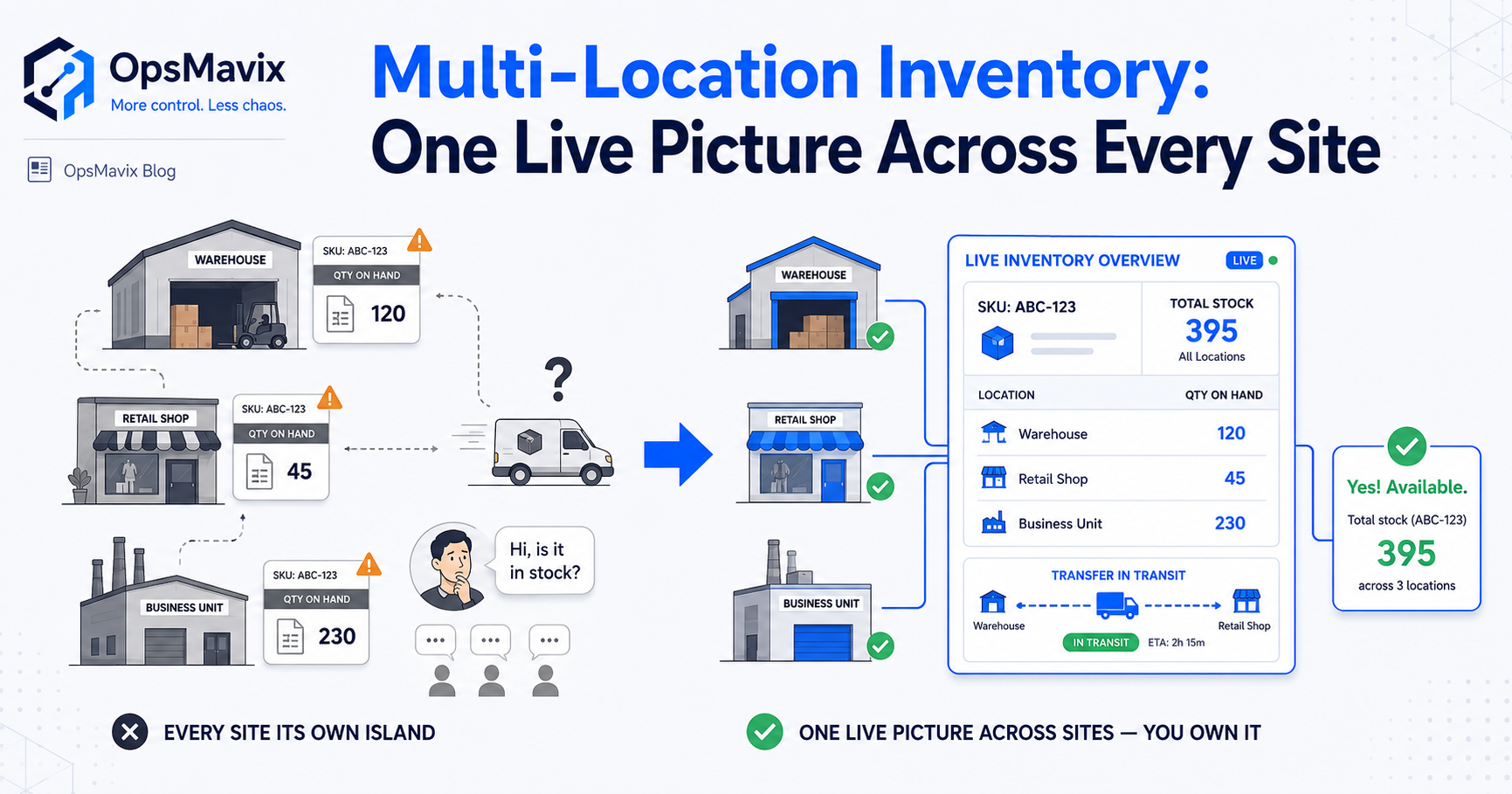
Multi-Location Inventory Management: One Live Picture Across Every Site
Two warehouses, a shop and a 3PL — each with its own spreadsheet and its own version of the truth. Multi-location inventory management is about one live picture across every site, so a transfer, a reorder or a customer order draws on stock you can actually see. Here's how to run it without a full WMS.
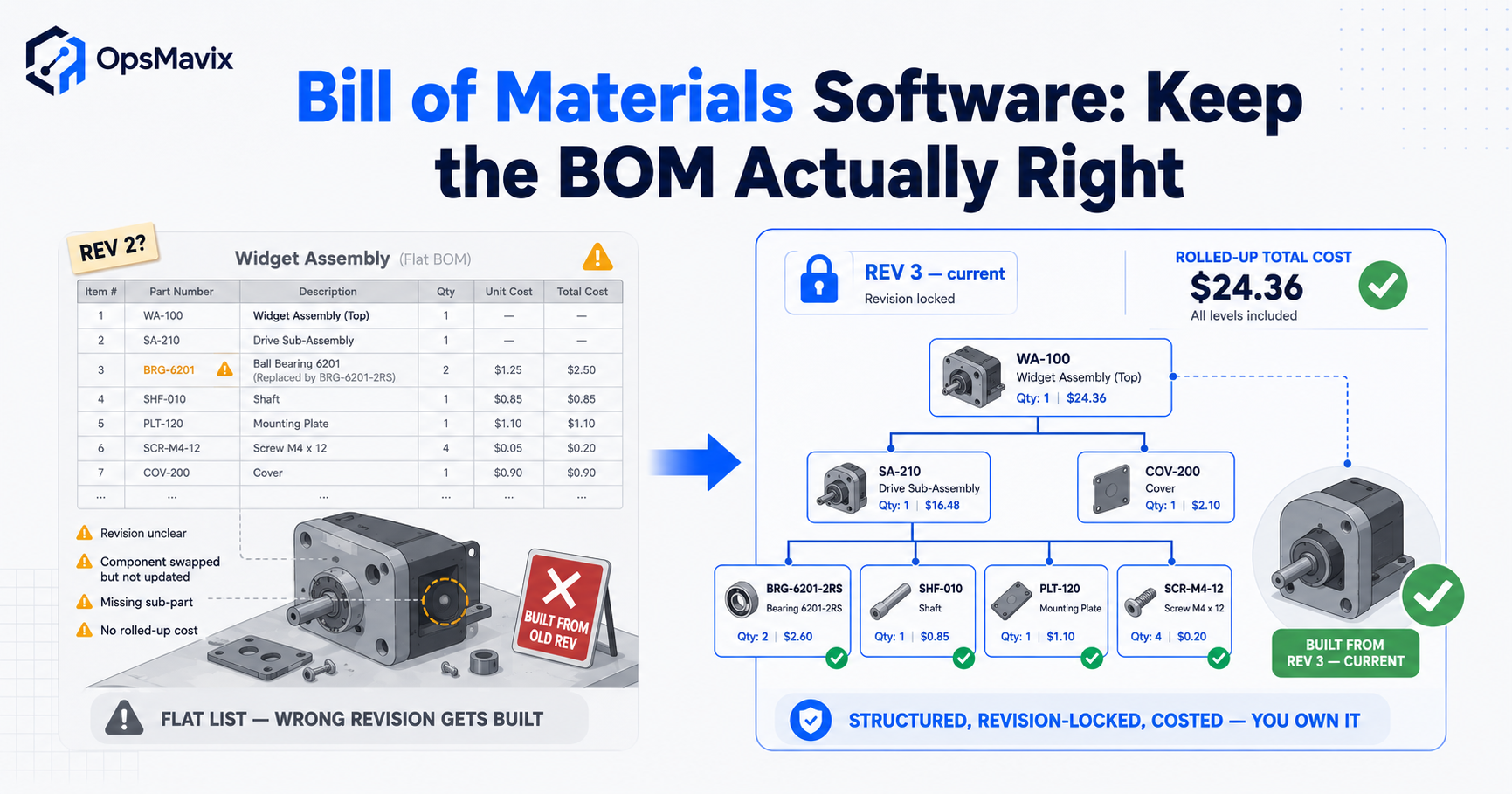
Bill of Materials Software: Keeping the BOM Itself Accurate
Bill of materials software isn't about planning what to buy — it's about keeping the BOM itself correct: what goes into what, across sub-assemblies, through every revision, with a cost that rolls up honestly. Here's where a spreadsheet stops coping, what accurate BOM management actually covers, and when a right-sized custom system fits better than a heavyweight platform.
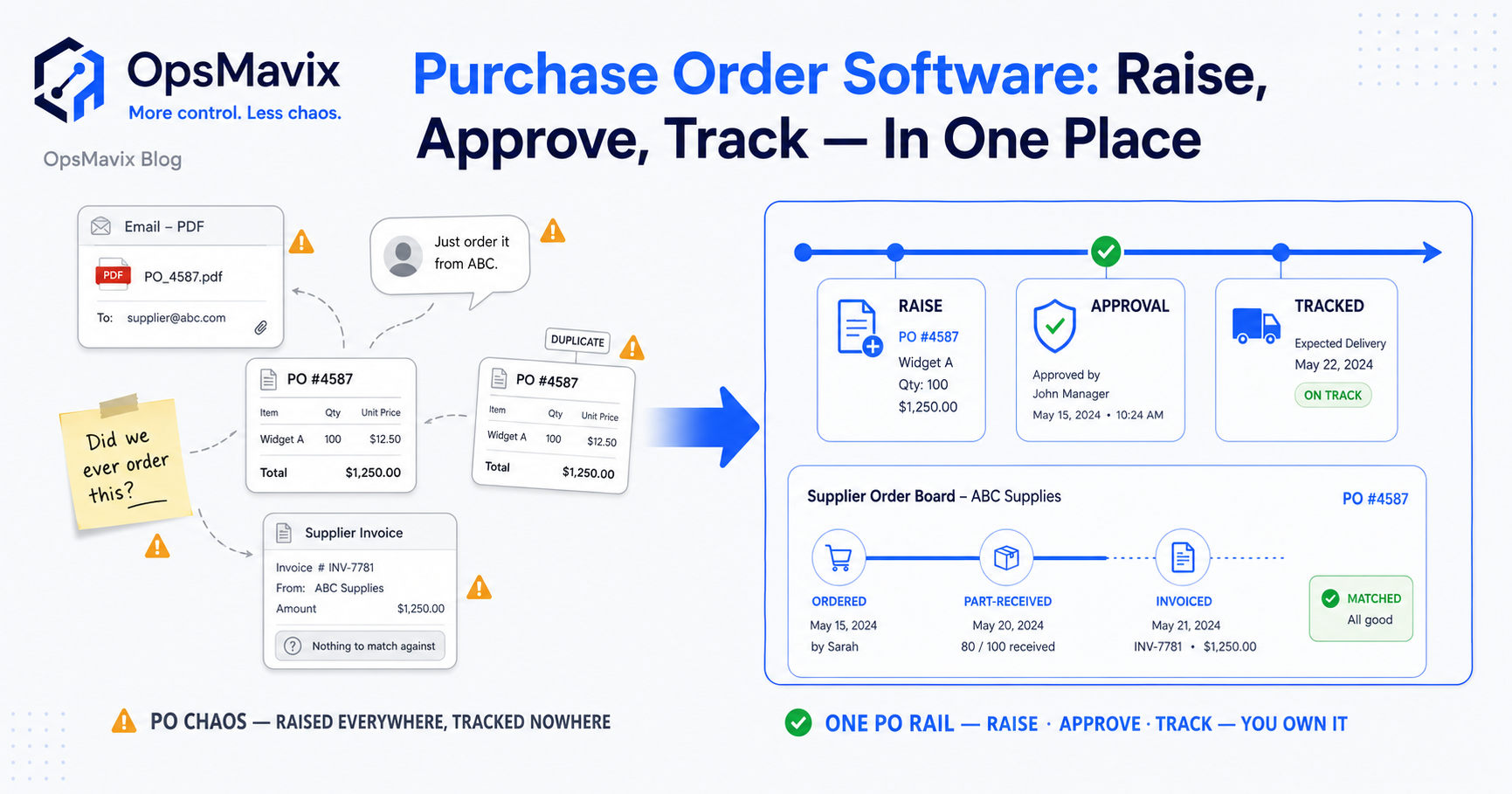
Purchase Order Software: Getting Buying, Approvals and Suppliers Under Control
Purchase order software is meant to do one thing well — raise a PO, get it approved, send it to the supplier, and track it until the goods land and the invoice matches. Most growing businesses don't need the enterprise procurement suite to do that. Here's where the line sits between a full platform and a right-sized system built around how you already buy.
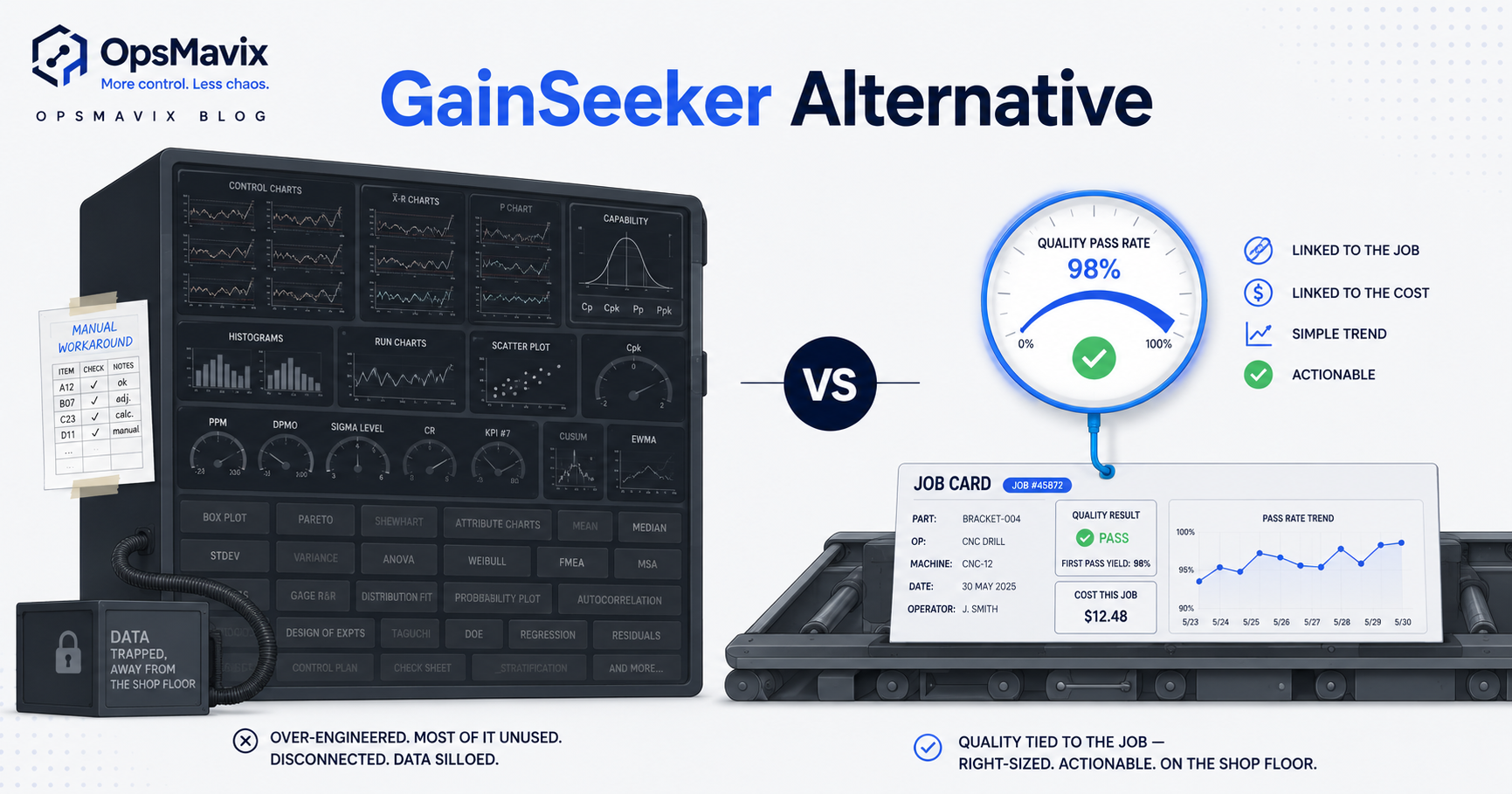
GainSeeker Alternative: When You Need Real SPC vs a Custom Quality System
GainSeeker is dedicated SPC and quality-analytics software, and for heavy statistical work it earns its place. But a lot of manufacturers don't need a full statistics suite — they need quality checks tied to jobs and production, in one place. Here's how to tell which side of that line you're on, and what a right-sized custom system does that a standalone SPC tool can't.
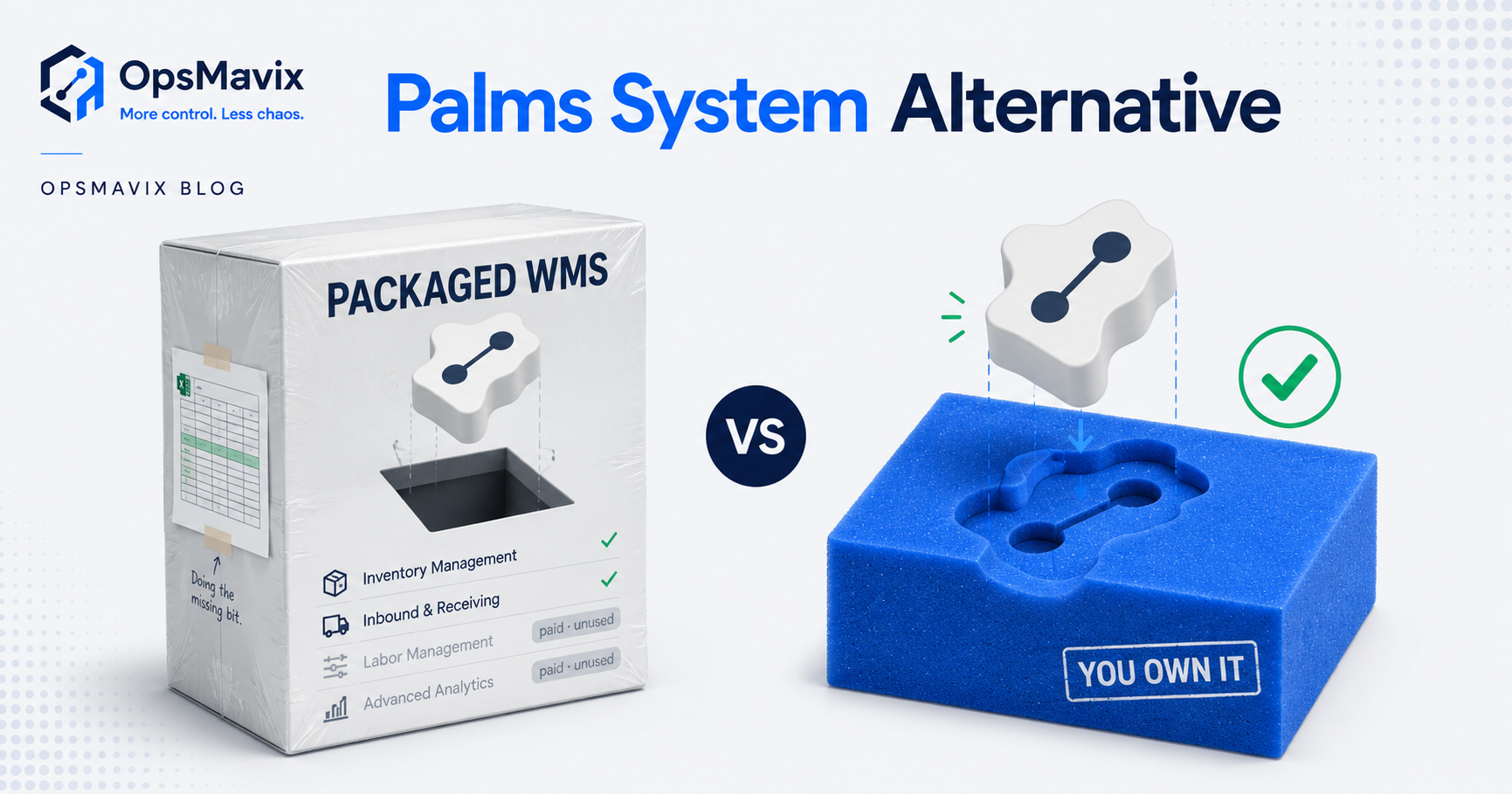
Palms System Alternative: Packaged WMS or a Right-Sized Custom System?
A packaged WMS like Palms does a real job — until your workflows stop fitting its template and you're paying for modules you don't touch. Here's when to buy it, the signs a right-sized custom system fits better, and how to tell which one your warehouse actually needs.
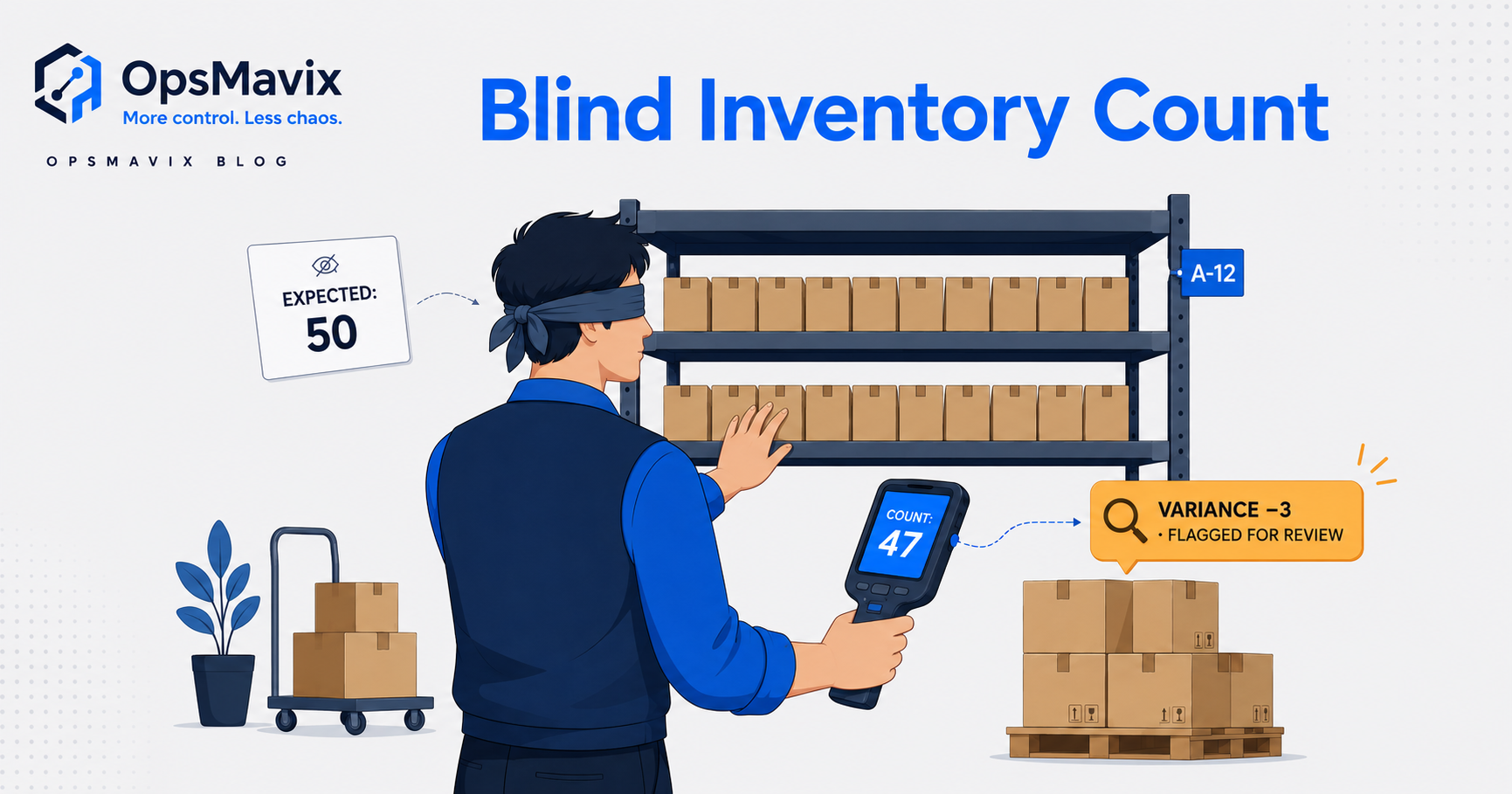
Blind Inventory Count: How to Run One (and Why It Catches What Normal Counts Miss)
A blind inventory count hides the expected figure from the counter, so they record what's actually on the shelf instead of confirming what the system already thinks. Here's exactly how to run one, blind vs known counts, when each fits, the honest pros and cons, and why blind counts are painful on paper but trivial when the system supports them.
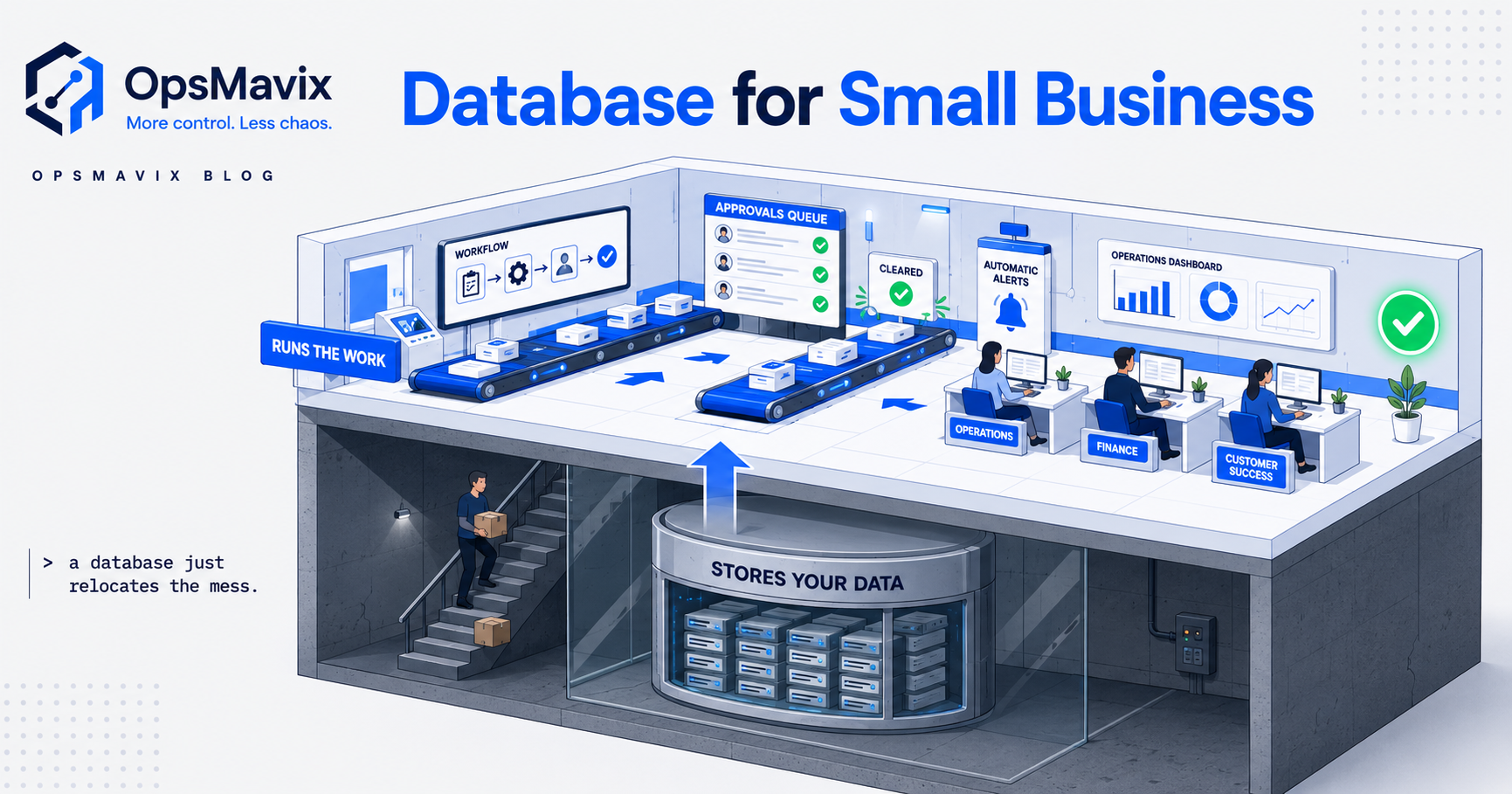
Database for Small Business: What You Actually Need (It's Probably Not a Database)
Most owners googling "database for small business" don't actually want a database — they want their work to run itself. A database stores data; an operations system runs the work, with rules, workflows and alerts. Here's the honest difference, when a simple database is genuinely enough, and why a raw DB usually just moves the mess somewhere tidier.
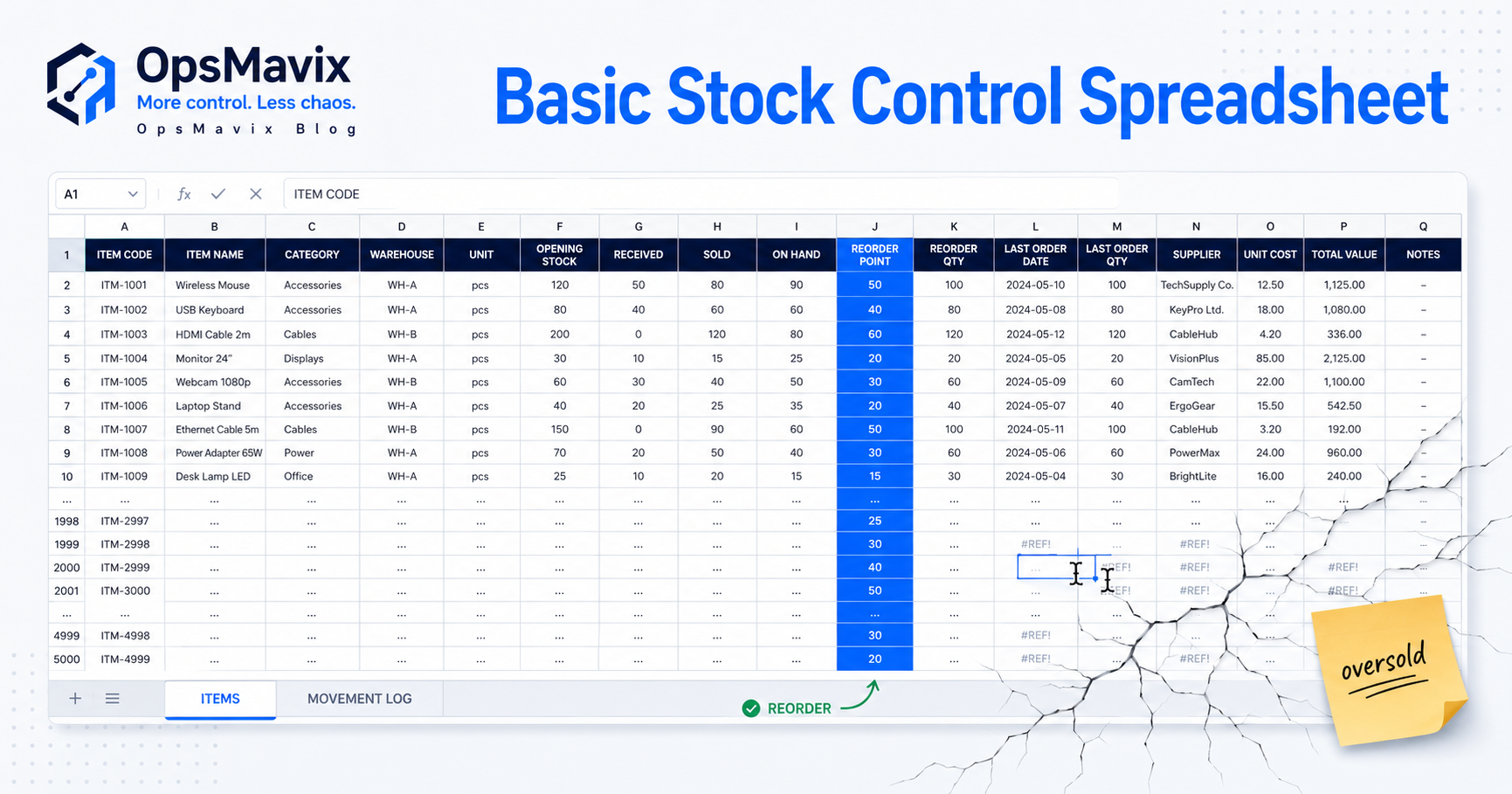
Basic Stock Control Spreadsheet: How to Build One That Doesn't Fall Apart
A basic stock control spreadsheet can run a small operation well if you build it right — the correct columns, a reorder point that does the thinking for you, and a movement log so the count nets itself. Here's the structure that holds up, then the honest signs you've outgrown it and what graduating to a right-sized system looks like.
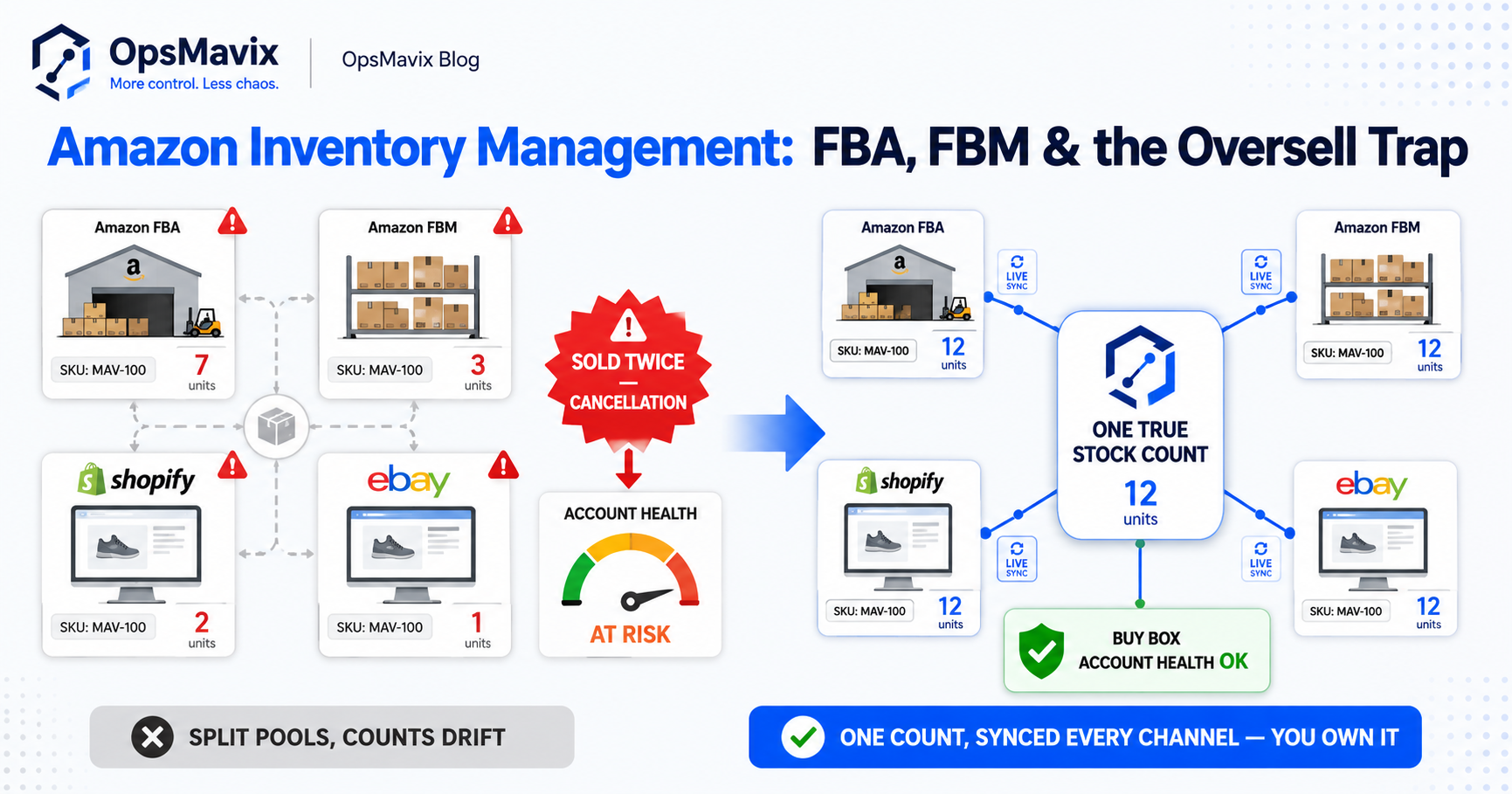
Amazon Inventory Management: FBA, FBM and the Oversell Trap
Amazon punishes both ends of getting stock wrong. Stock out and you lose ranking and the Buy Box; oversell and you risk cancellations and account health. The hard part is that your stock isn't just on Amazon — it's split across FBA, FBM, and every other channel you sell on. Here's why spreadsheets can't hold that, and what one true synced count fixes.