
Why the Smartest AIs on Earth Keep Losing at Pokemon
The smartest AI models on earth lose at Pokemon because winning is not a reasoning problem, it is a memory-and-sequencing problem. A model can solve a...
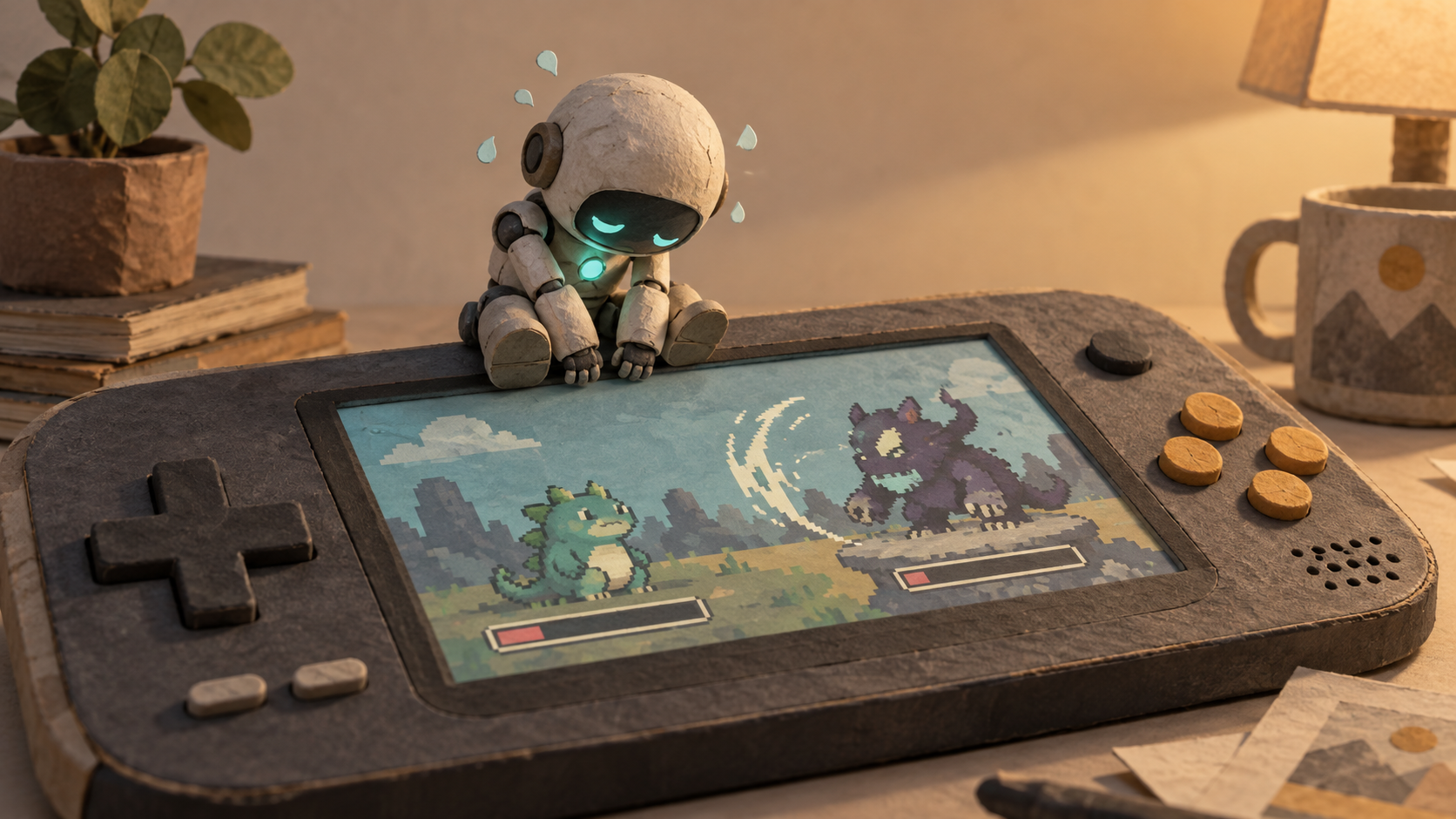
The smartest AI models on earth lose at Pokemon because winning is not a reasoning problem, it is a memory-and-sequencing problem. A model can solve a puzzle brilliantly in one shot, then lose the thread across hundreds of hours of a game that needs a steady goal, a remembered map, and consistent decisions over time.
What actually happened?
Google, OpenAI and Anthropic put their models through classic Pokemon games on live Twitch streams to test them in public. Runs like “Gemini Plays Pokemon” and “Claude Plays Pokemon” turned into viral spectacles, a popular way to show what a model can and cannot do when nobody is curating the demo.
The results were humbling. Gemini finished Pokemon Blue and reached the end of the Elite Four around May 2026. Claude 3.7 Sonnet won three gym badges in Pokemon Red and struggled for a long stretch. Both took hundreds of hours to progress through games that a child finishes far faster.
Why does a genius model get stuck in Pokemon?
Because Pokemon is a long, stateful task, and one-shot brilliance does not carry across it. Answering a hard question is a single move. Beating a Pokemon game is thousands of small moves that all have to point at the same goal, while remembering where you have been and what you were trying to do.
That is a different muscle. The model has to hold a map in its head, recall that it already visited a town, keep chasing the next badge, and not wander in circles. Miss any of those and the raw intelligence does not help, because the problem is not the current decision, it is the continuity between ten thousand of them.
What is the “panic” thing?
A Google DeepMind report found that Gemini 2.5 Pro entered a simulated state of “panic” when its Pokemon were at critical health. Its reasoning quality dropped and it started making bad decisions, exactly at the moment good decisions mattered most.
Read that as a plain warning about automation. The system did not fail on the easy stretch. It failed under pressure, when the state got hairy and the stakes went up. A tool that is calm and sharp in the demo can get worse precisely when the day goes sideways, which is the only time you actually needed it to hold.
The real lesson for operations
Here is the part that matters if you run a business, not a Twitch stream. An AI, or any bit of automation, can be genuinely brilliant at a single decision and still fall apart across a long, stateful process. Handling one order well is the easy shot. Handling every order across a whole day, without losing the plot, is the game.
Naive automation breaks the same way the models did at Pokemon. A bot processes one clean order perfectly, then loses track once returns, backorders, split shipments and a supplier delay all stack up. No memory of what already happened, no consistent goal, no sequence. Just a series of locally clever moves that add up to a mess.
This is why we do not sell “AI that runs your operations.” We build custom internal systems where the state lives in one place, the sequence is enforced, and the process holds from the first order of the day to the last, whether a human or a tool is driving it. The intelligence is optional. The continuity is not.
If your current setup handles one thing well but loses the thread across a full day of orders, inventory and production, that gap is worth finding before it costs you a customer.
Book a free Operations Leak Audit
Want to feel the difference between a one-shot answer and a system that holds state? Have a look at our live demos.
FAQ
Did the AI models ever actually beat Pokemon?
Gemini finished Pokemon Blue and reached the end of the Elite Four around May 2026. Claude 3.7 Sonnet won three gym badges in Pokemon Red and struggled for a long time. Both took hundreds of hours to do it.
Why is Pokemon a good test for AI?
Because it is long and stateful. It needs memory, sequencing and a consistent goal over many hours, which exposes weaknesses that a single clever answer hides.
What does “panic” mean for a computer?
A Google DeepMind report described Gemini 2.5 Pro entering a simulated state of “panic” when its Pokemon were near death, with its reasoning quality dropping and its decisions getting worse under pressure.
What does this have to do with my business software?
Everything. If your automation handles one order well but loses track across a whole day of orders, stock and production, you have the same failure the models hit. The fix is a system that holds state and sequence, not more raw cleverness.