
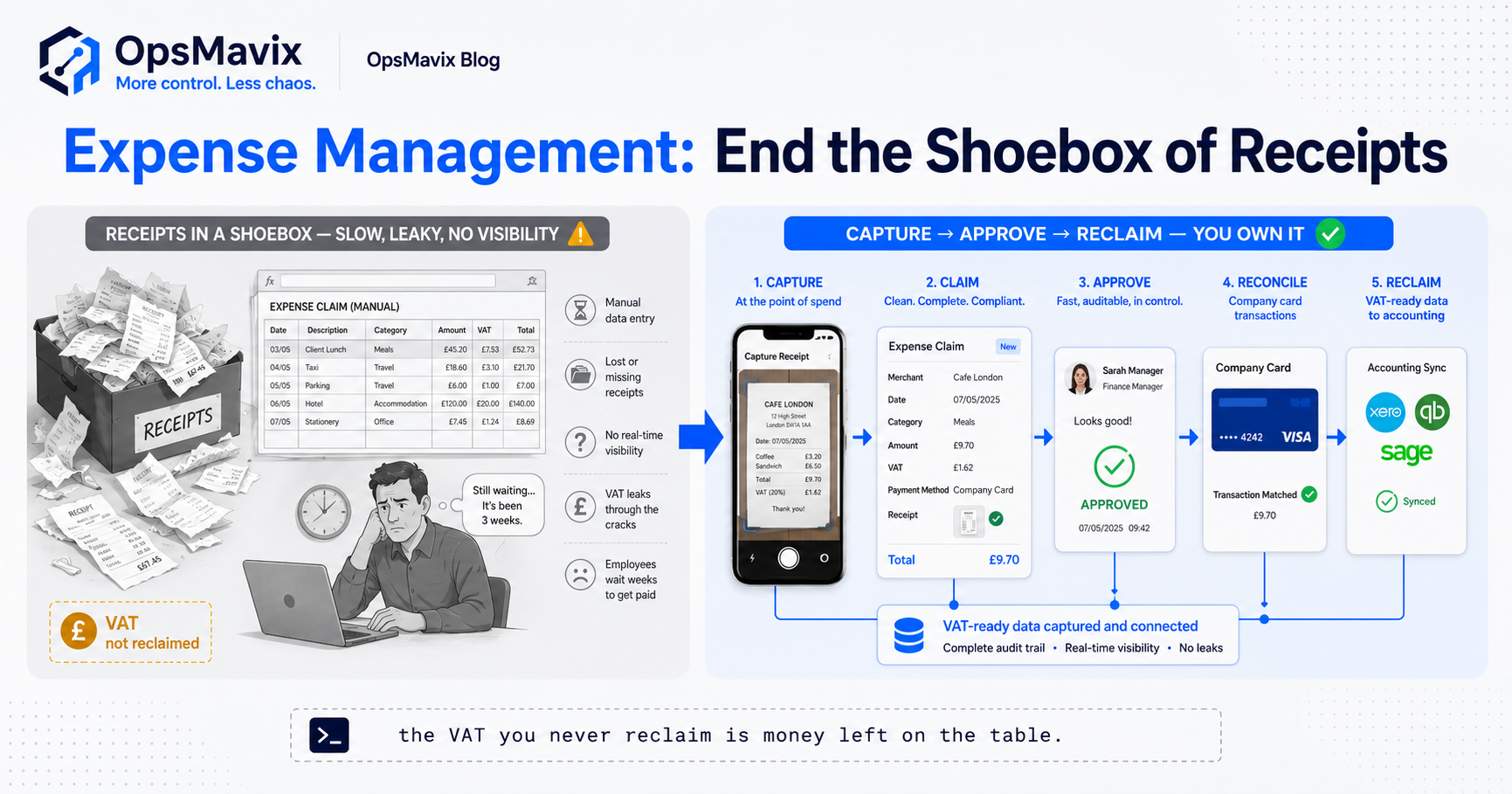
Expense Management Software: Getting Staff Claims Off Spreadsheets and Shoeboxes
Expense management software is the system that handles employee spending — a member of staff pays for something out of pocket or on a company card, snaps the receipt, and the claim flows through approval into your accounts. Here's how the point-of-spend capture, the approval flow, card reconciliation and VAT reclaim actually fit together, and why the spreadsheet-and-shoebox version quietly costs you money every month.
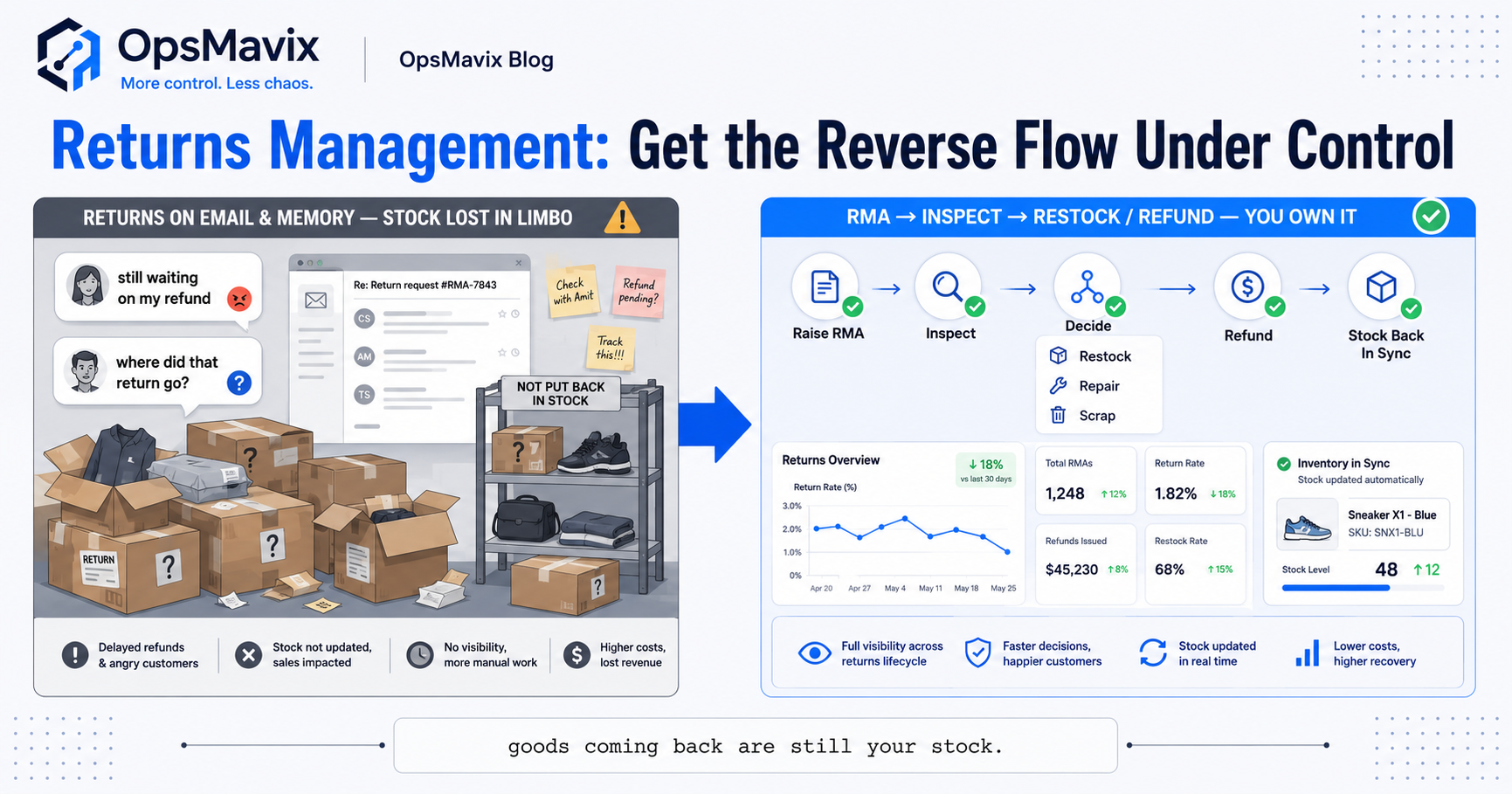
Returns Management: Handling the Stock That Comes Back
A returns management system is how you handle stock coming back — the reverse flow most operations run on email and memory. Raising an RMA, receiving and inspecting the return, deciding restock or repair or scrap, syncing good stock, refunding fast, and reading return-rate patterns. Here's how growing businesses stop returns leaking stock and cash.
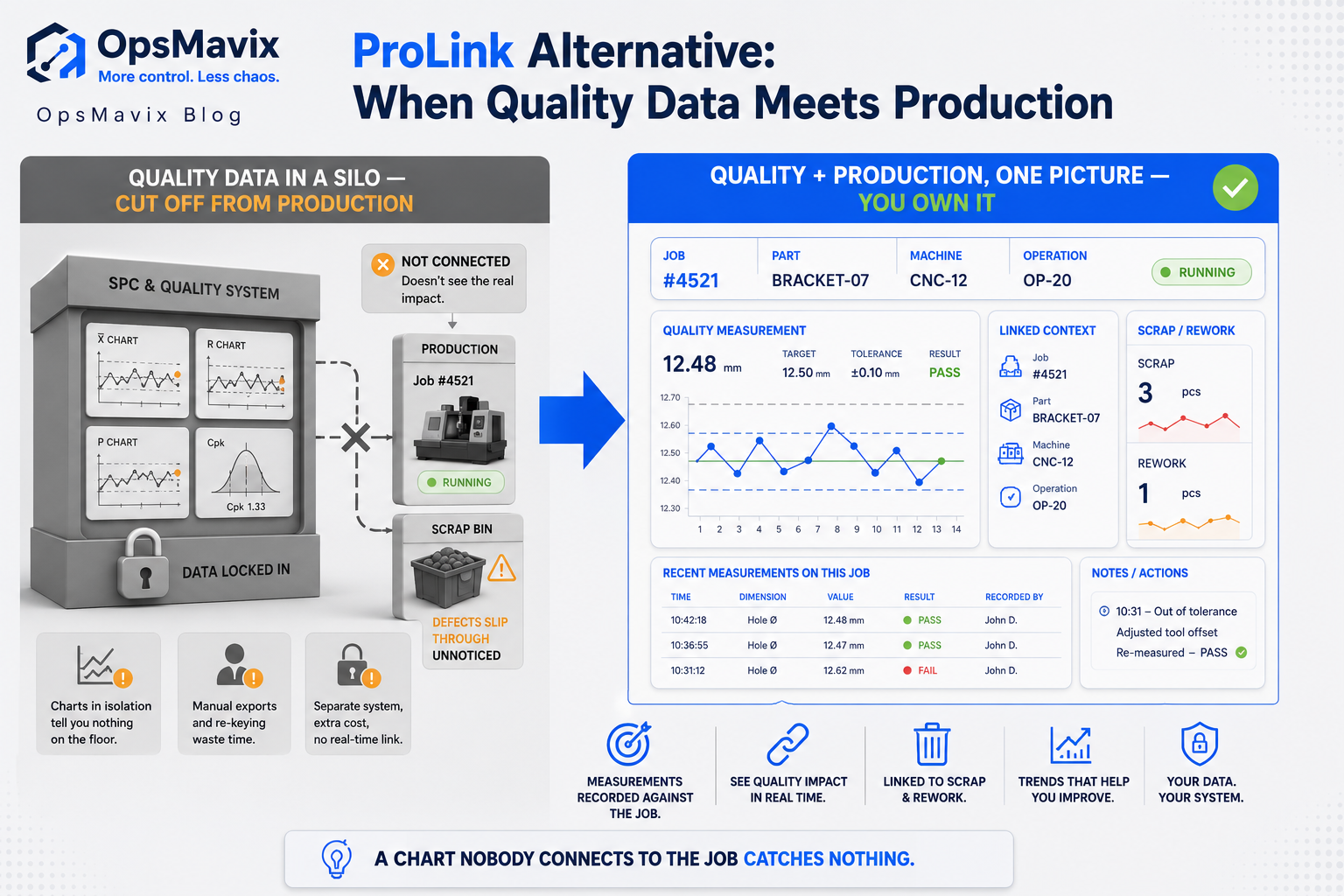
ProLink Software Alternative: When Quality Data Needs to Meet Production
ProLink is SPC and quality-data-collection software, and for capturing measurements and running control charts it does a real job. The trouble for a growing manufacturer is that the quality data often ends up in its own silo — cut off from the job, the machine, the scrap and the wider production picture. Here's where SPC software fits, why siloed quality data is a missed chance, and what a system that treats quality as part of the operation changes.
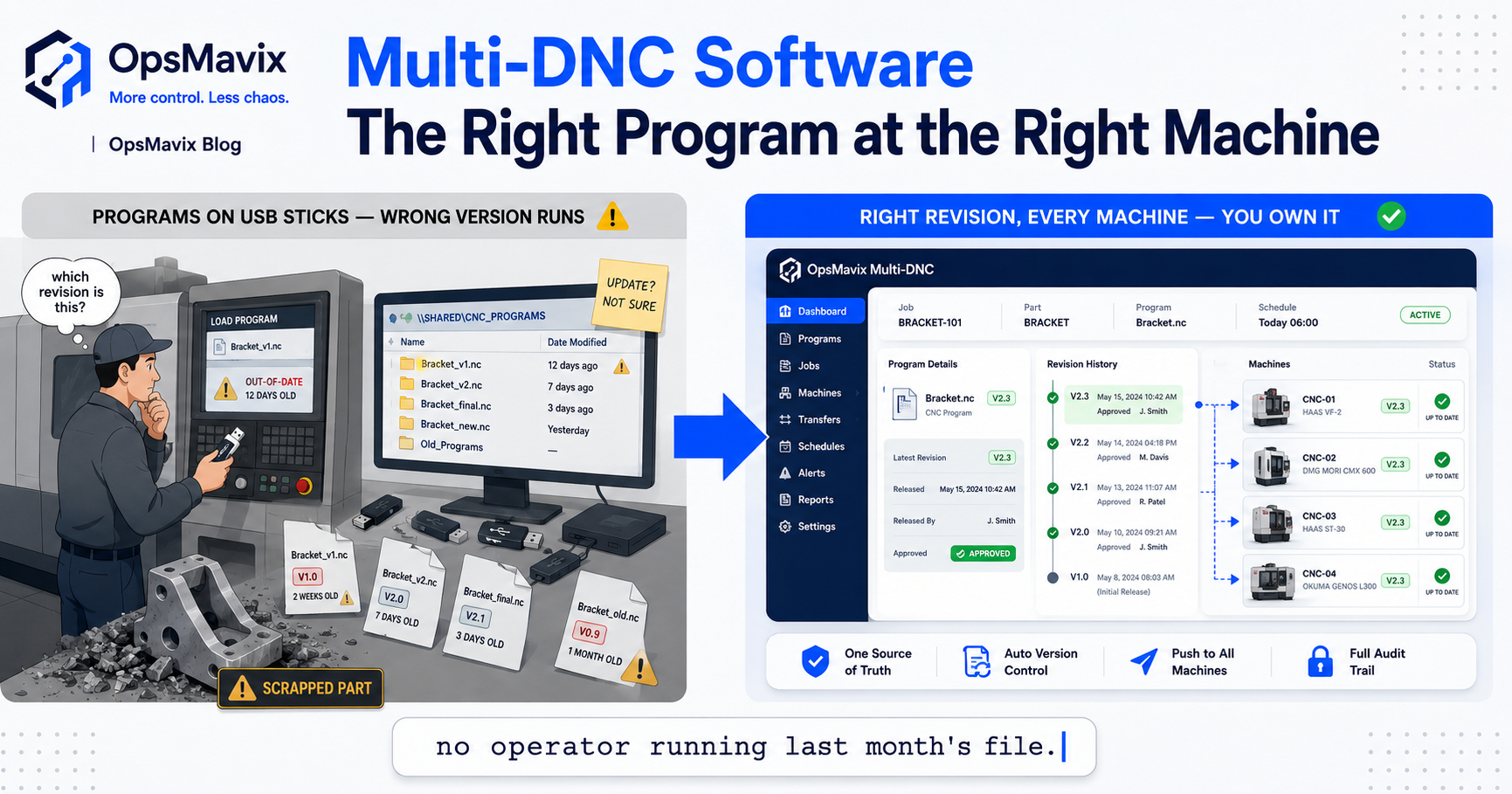
Multi-DNC Software: Getting the Right CNC Program to the Right Machine
Multi-DNC software distributes CNC and NC programs to the machines on your shop floor and keeps track of which version is the right one. This post explains what DNC and multi-DNC actually do, the mess that builds up when programs live on USB sticks, a shared folder, or one person's PC, why revision control is where the money leaks, and how a connected system ties the program to the job, the part, and the schedule — not just moves a file.
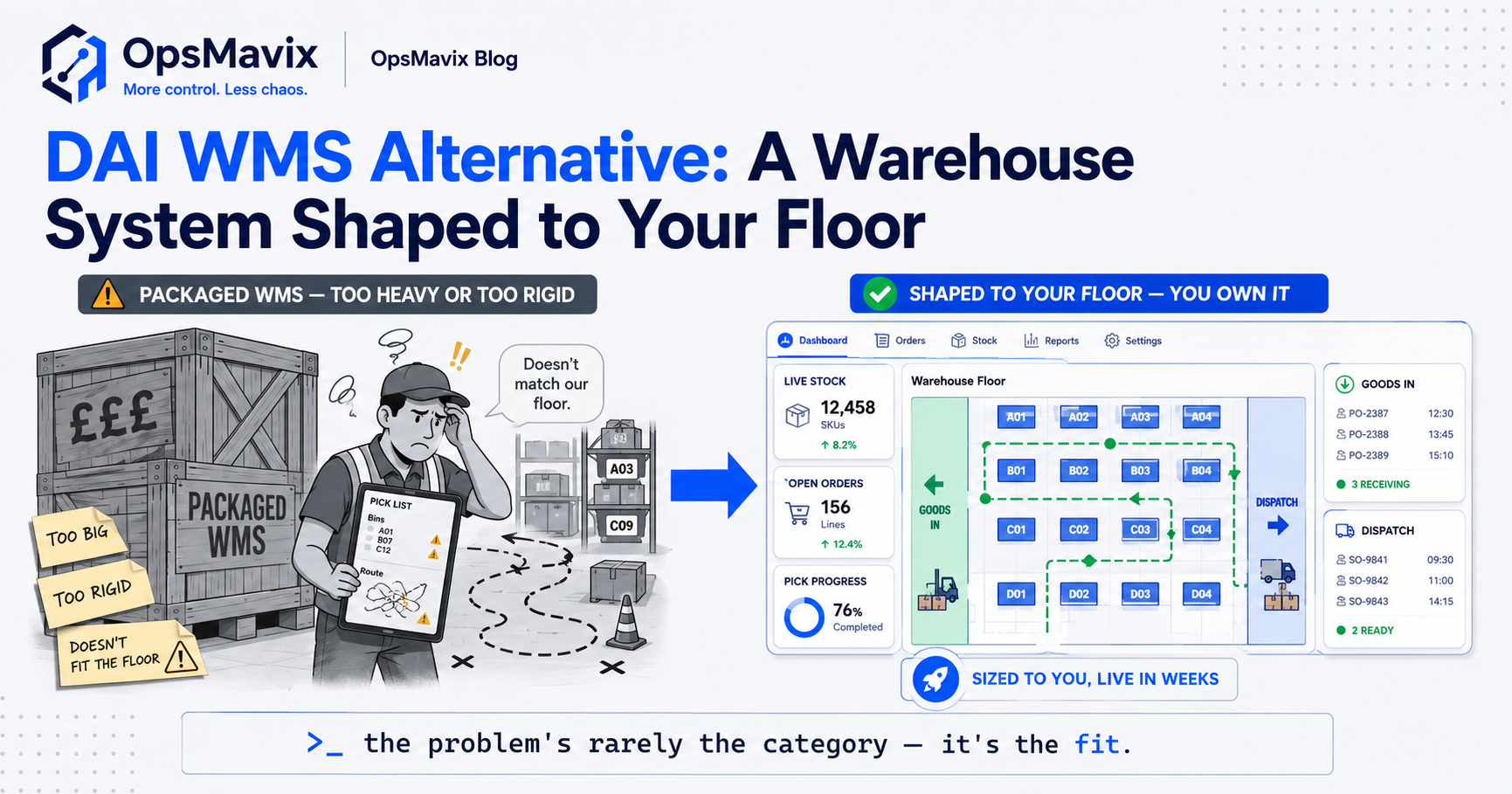
DAI Warehouse Management System Alternative: Built Around Your Real Flow
A DAI warehouse management system is off-the-shelf WMS software for running goods-in, stock, picking and dispatch — and packaged WMS tools do that core job well. The honest DAI alternative for a growing UK warehouse isn't another rigid package that ignores your bins and picking flow. It's a system shaped to how your operation actually runs, connected to your orders, stock and purchasing instead of standing as a bolt-on silo, live in weeks, and owned by you.
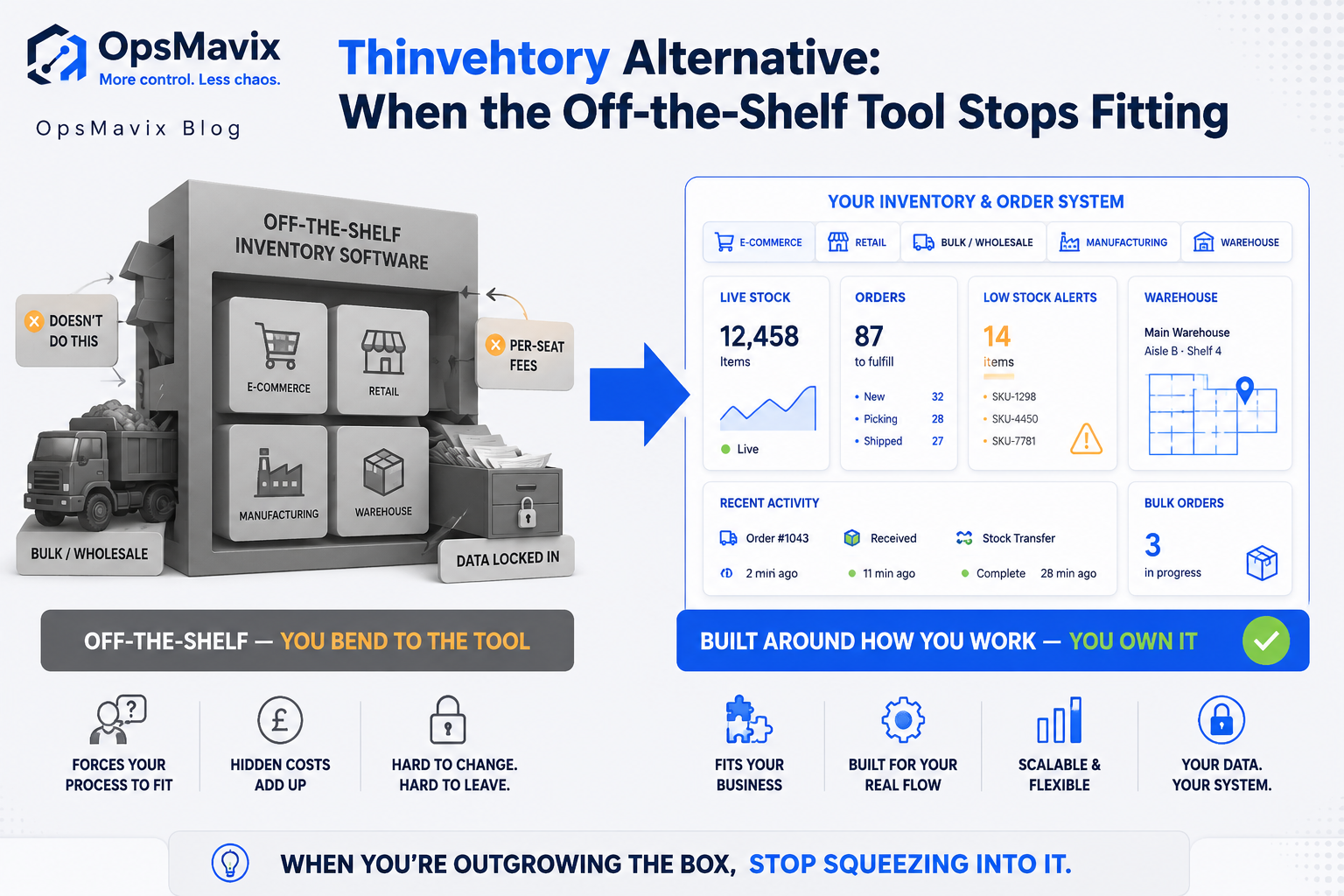
Thinventory Alternative: When a Growing Operation Outgrows the Template
A Thinventory alternative is what you look for once an off-the-shelf inventory and order tool stops bending to how you actually run — extra channels, a bulk side, a warehouse quirk it has no field for. This post is fair about what these tools do well, honest about the ceiling you hit, and clear on what a system built around your own process changes instead.
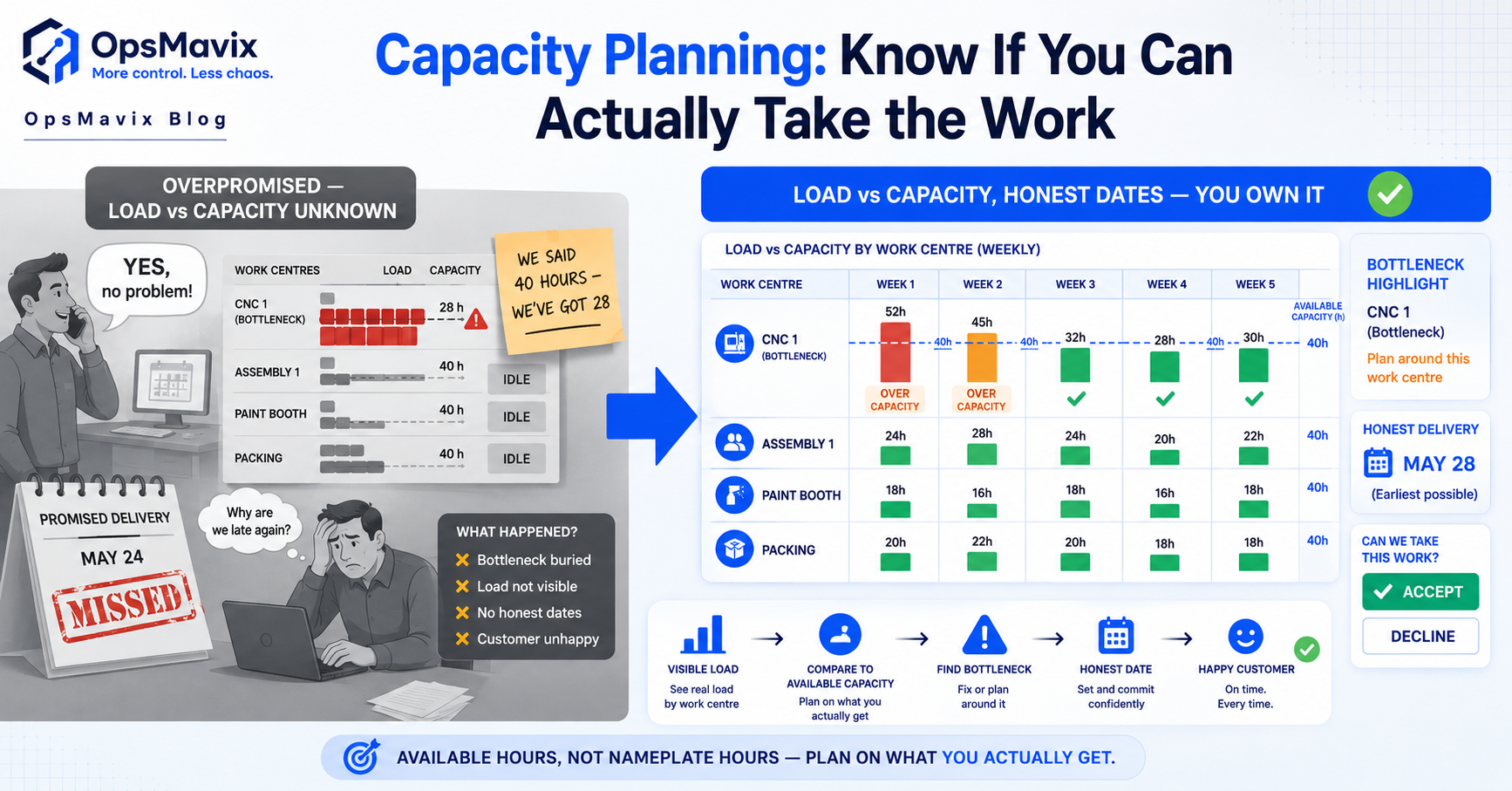
Capacity Planning: Can You Actually Take This Order On Time?
Capacity planning is how you check whether you actually have the machine hours and labour hours to deliver the work you've said yes to. Most late deliveries aren't a scheduling problem — they're a capacity problem nobody measured. This post covers load versus available capacity, finite versus infinite planning, finding the bottleneck, rough-cut capacity planning, and using all of it to decide whether you can accept an order and quote a delivery date you'll actually hit.
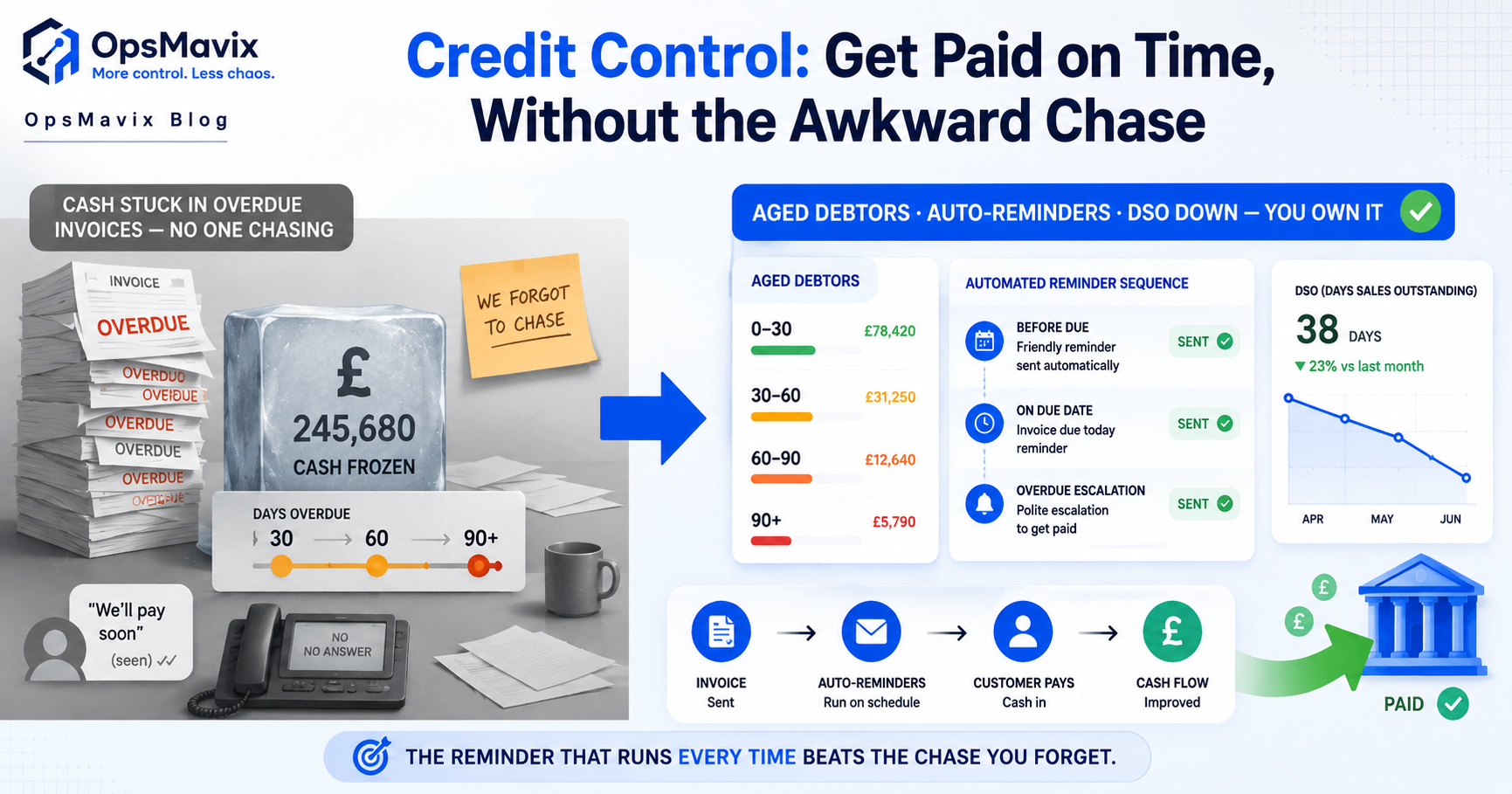
Credit Control: Getting Your Customers to Pay You on Time
Credit control is the discipline of getting your customers to pay you on time — setting credit terms and limits, watching the aged-debtors report, and chasing overdue invoices before they turn into cash you can't get back. Here's how the reminder sequence, statements and DSO actually work, and why doing it by memory quietly leaves money stuck in debtors.
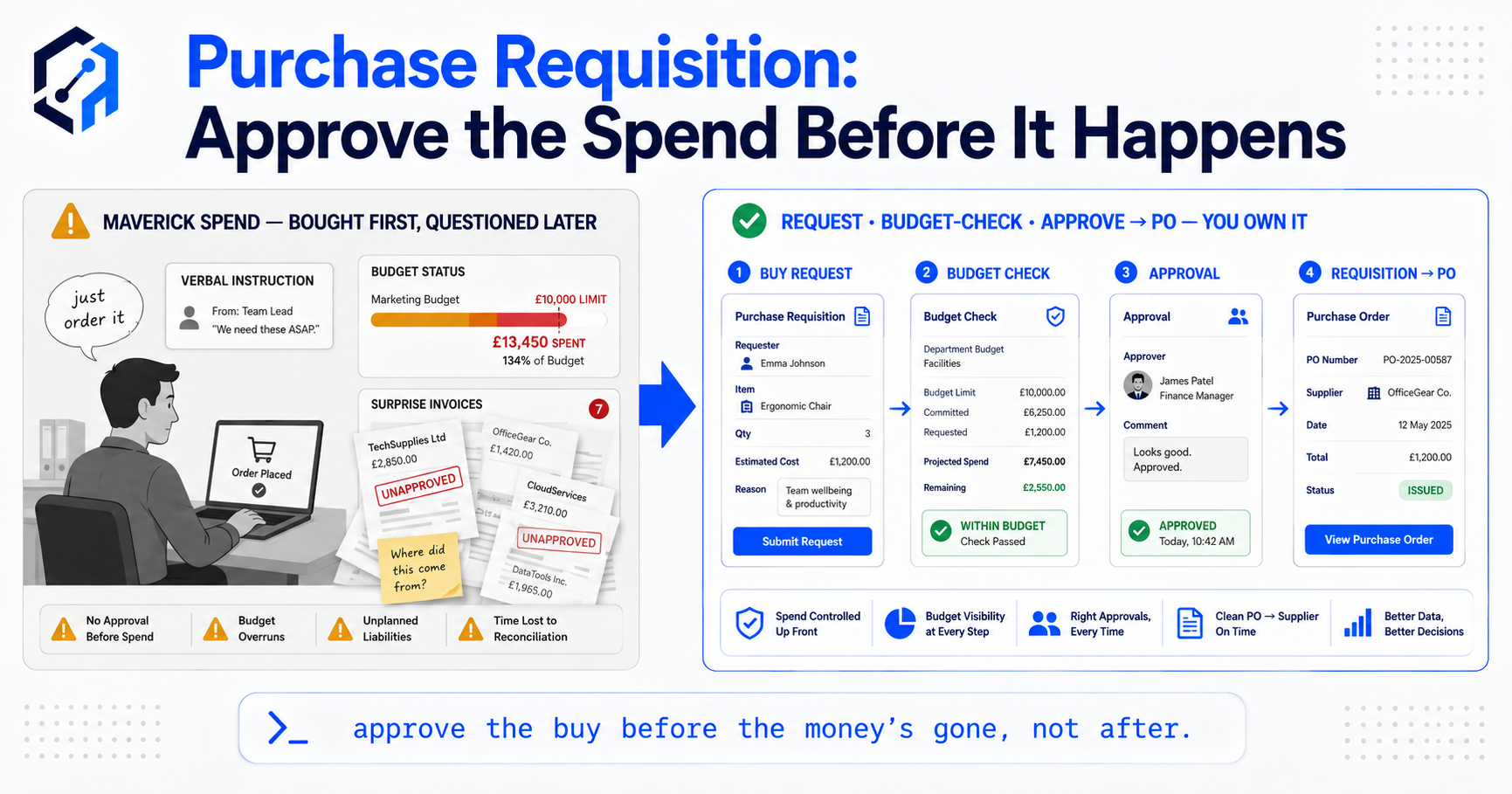
Purchase Requisition: The Approval That Should Happen Before You Buy
A purchase requisition is the internal request to buy something, raised and approved before any purchase order goes to a supplier. It's the checkpoint where spend gets tested against budget and authority — the step that decides whether money leaves the business on purpose or by accident. Here's how the requisition form, approval routing and requisition-to-PO conversion actually work, and why skipping them is how maverick spend creeps in.