
A single bicycle is made from 22 different parts. Building one takes 94 of them, because parts repeat. A wheel needs 32 spokes, and a bike has two wheels, so the build needs 64 spokes even though the top of the parts list only says two wheels.
A bill of materials, or BOM, is the record of every part in a product and how many you need. For a few parts it is only a list. Once parts nest inside sub-assemblies and quantities multiply down the levels, a flat list stops matching what you have to buy.
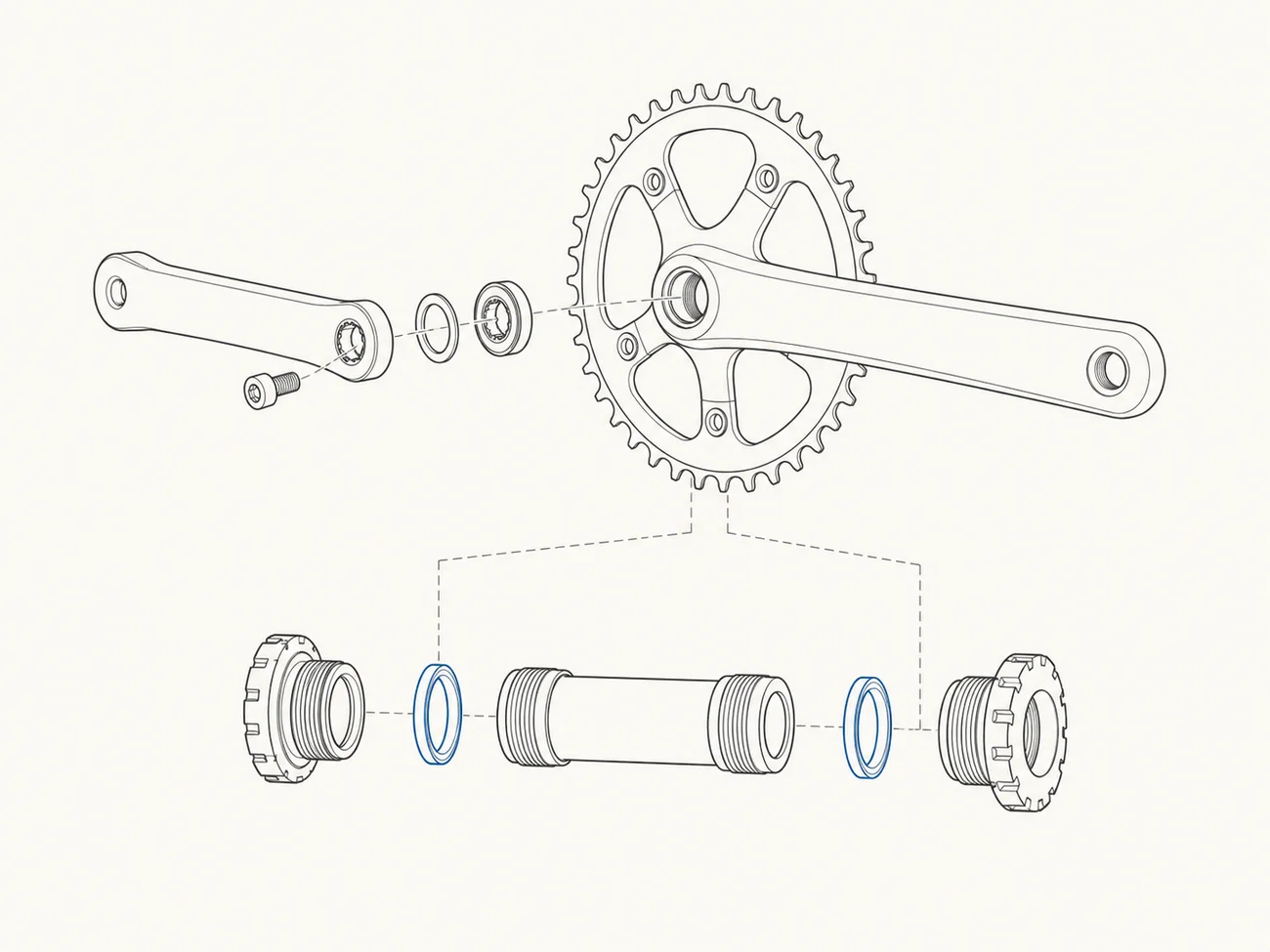
The demonstrations below run on a real, if simplified, bicycle BOM. Change the inputs and the quantities and costs recalculate the way they would in a working system.
One wheel, then two
Start with a single wheel. It is built from a rim, a hub, a tyre, an inner tube, and 32 spokes. That is one sub-assembly, and a bike uses two of them. The counts inside a wheel never change. The totals do.
A single-level parts list would record wheel assembly ×2 and stop there. Every spoke, rim and tyre inside stays hidden until you explode the level below.
Levels
Every part sits at a level that records how far down the build it lives.
Level 0 is the finished bike. Level 1 is the sub-assemblies you build on the way, the wheel, the drivetrain, the brake set. Level 2 is the components that go into them, the rim, the spokes, the chain. A single-level BOM shows one level down. A multi-level BOM shows every level, which is the only way the nested quantities become visible.
The whole bike, and where the cost lives
Here is the full BOM. Click a sub-assembly to open it. The bar on each row is its share of the finished bike's cost, so you can see where the money goes, not just read it. The frame looks cheap until you open the wheels.
What purchasing orders
Purchasing does not order sub-assemblies. It orders parts. The where-used list rolls every part up across the whole tree into one line each, so two wheels of 32 spokes become a single order for 64. This is the list a buyer works from.
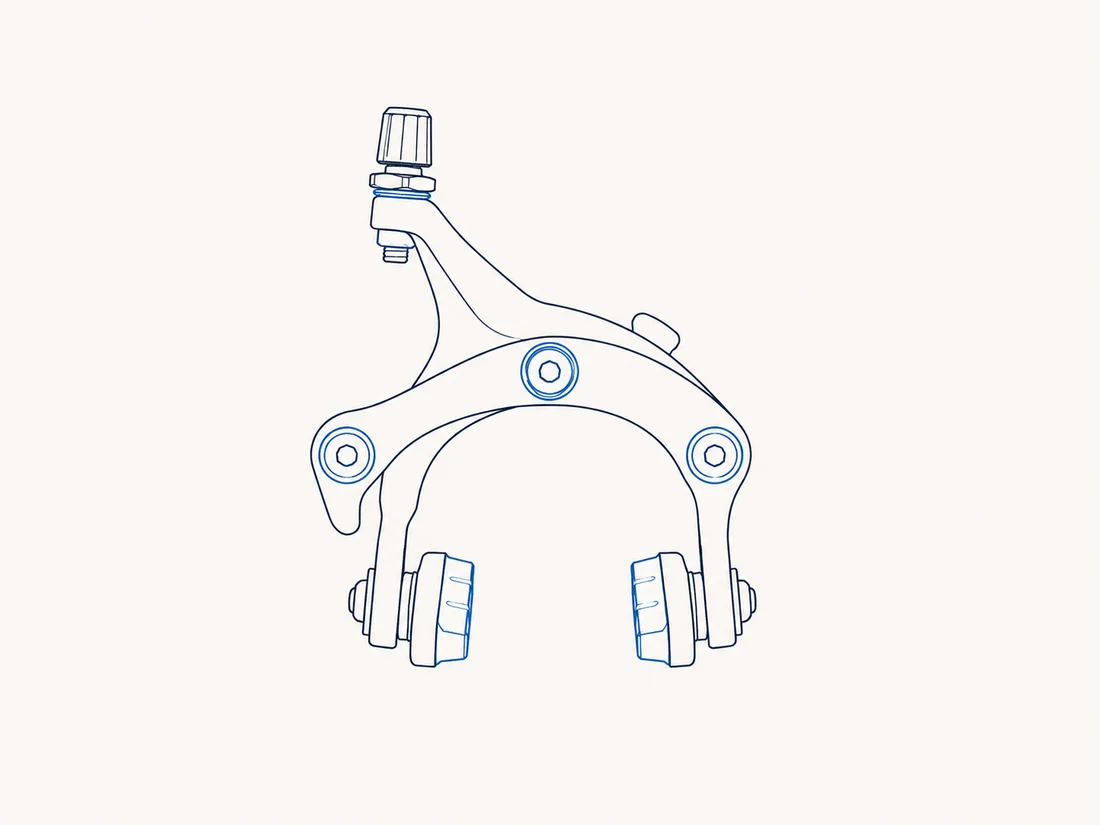
Where this breaks
On a spreadsheet, all of this is manual. Someone reads a level, types quantities, and the nested counts are left to memory. Change a component that appears in three assemblies and there are three cells to find. Miss one, and the build stops for a part that costs pennies.
That is the failure OpsMavix removes. We build operations systems that hold a company's real BOMs, roll up quantity and cost on their own, and show the shortfall before the line goes down.
Common questions
What is the difference between a bill of materials and a parts list?
A parts list is flat: names and quantities with no structure. A bill of materials is structured, recording which parts belong to which sub-assembly so the nested quantities stay visible. Every BOM contains a parts list, but a parts list is not a BOM.
How many levels can a bill of materials have?
As many as the product needs. A simple product might be two levels; a vehicle can run past ten. The depth is set by how many sub-assemblies nest inside each other, not by any fixed limit.
Can a spreadsheet handle a multi-level BOM?
For a few parts, yes. Once quantities nest and a single component appears in several assemblies, the roll-ups and cost changes become manual and easy to get wrong. That is usually the point a business moves to a system that computes the roll-up for it.
OpsMavix builds custom operations and inventory systems for UK manufacturers, wholesalers and distributors.
Book a free Operations Leak Audit, or see the inventory reorder calculator.
The Trailhead bicycle is an illustrative BOM built to show structure, not a product specification. Quantities and the roll-up arithmetic are exact. Unit costs are example figures you can edit.